Dental & oral care
Dental insurance, direct billing and claims in China
Verify dental benefits, the exact billing entity, authorization, direct billing and a complete claim file without treating an insurer logo as approval.
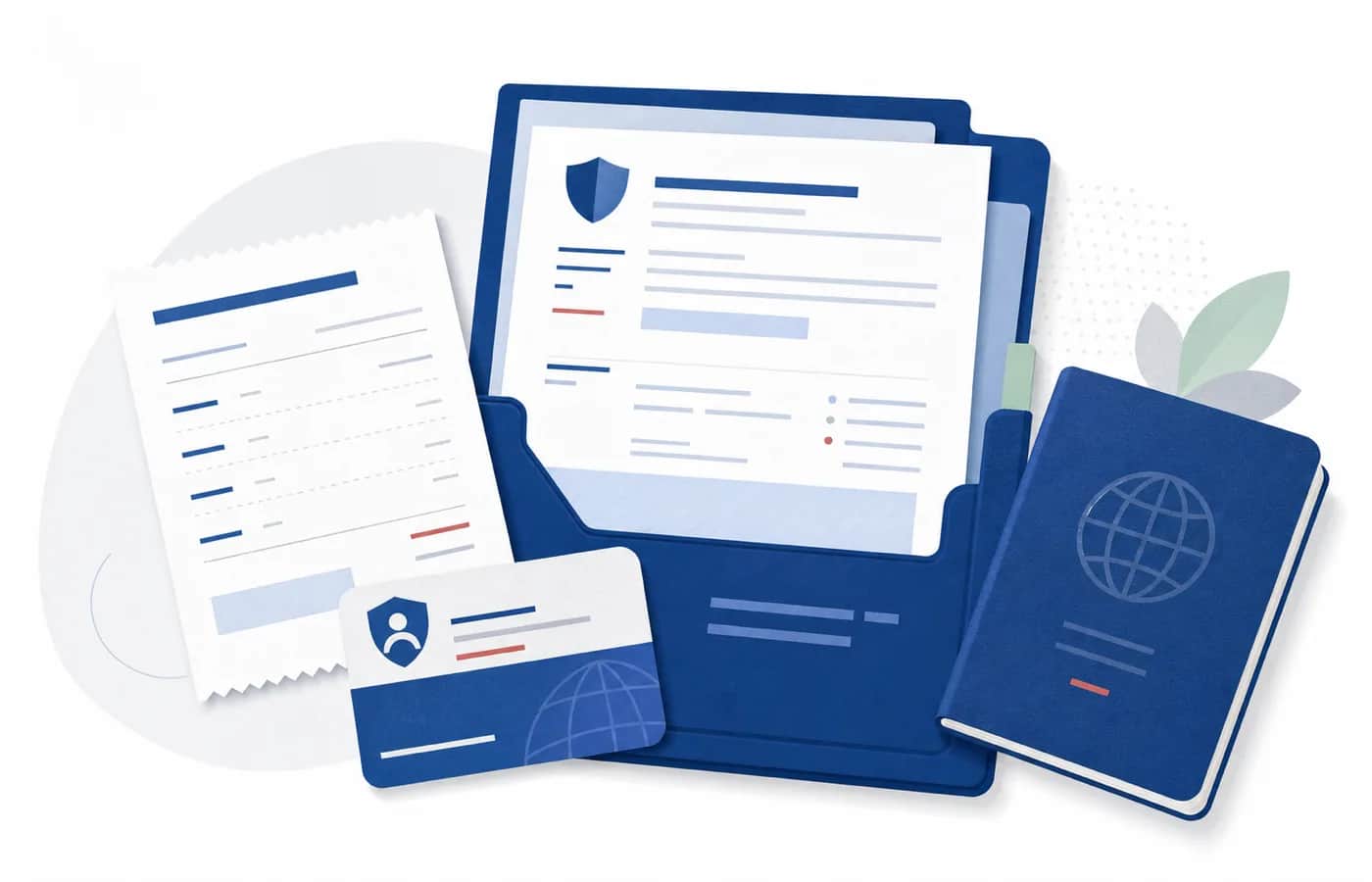
Dental coverage is determined by the patient's policy and written insurer decisions, not by a clinic logo, international branding or a general statement that a provider accepts insurance. Dental plans can also span several visits, quote versions and product or laboratory components, so authorization and claim records must stay linked to the exact legal billing entity and provider-documented plan. This guide covers administrative verification only. It does not determine medical necessity, policy entitlement, clinical suitability or whether treatment should start, stop or change.
Use this as a practical starting point
Provider procedures can change, so confirm time-sensitive details with the hospital, insurer or service. A licensed professional must make clinical decisions for an individual patient.
At a glance
Key points
- Confirm that the policy has a dental benefit before asking whether a provider can direct bill.
- Give the insurer the exact legal billing entity, campus or branch and provider-documented service plan.
- Network status, coverage, preauthorization and direct billing are separate confirmations.
- A guarantee of payment or authorization can have dates, limits, exclusions and document conditions; it is not blanket approval of every charge.
- For multi-visit care, connect each revised plan, quote, payment and claim to the same insurer case number.
- Collect the provider-issued record, itemized charges, official receipt and any material or device information the insurer requests before access becomes difficult.
Read the dental benefit before relying on a provider list
Ask the insurer for the current policy wording or written benefit explanation that applies to the patient and coverage period. Confirm whether dental care has its own benefit category, annual or lifetime limit, waiting period, deductible, co-payment, network rule, exclusion, frequency rule or requirement for prior review. Do not infer coverage from the word 'medical,' from a previous claim or from another member's experience.
China's national oral-service notice states that local insurance authorities develop price and coverage policy and may bring eligible therapeutic oral items and materials into basic insurance through applicable processes. It does not make all dental charges nationally covered. For commercial or international insurance, the contract and written insurer decision control. Ask whether the insurer needs provider-recorded clinical information, but do not use the coverage process to self-judge medical necessity.
- Dental benefit category and coverage period
- Waiting period, limit, deductible and patient share
- Network or referral requirement
- Preauthorization or pre-treatment estimate rule
- Excluded services, products or administrative fees
- Claim deadline, currency and translation requirements
An insurance benefit is a contractual and administrative decision. It is not a clinical recommendation.
Verify the exact provider and direct-billing relationship
Give the insurer the provider's Chinese legal name, public-facing name, exact campus or branch and the entity expected on the receipt. Ask whether the current network or direct-billing arrangement covers that entity, location, outpatient setting and date. A clinic group, hospital group or international department can use different legal billing entities, and a provider may direct bill some plans but not others.
Then ask the provider whether its insurance desk can process the exact policy and benefit. Confirm the insurer or third-party administrator name, accepted identity and membership documents, contact route and fallback if electronic eligibility cannot be verified. Direct billing describes how eligible charges may be settled; it does not mean that the patient will pay nothing or that every line in a dental plan is covered.
- Provider's Chinese legal name and branch
- Insurer or third-party administrator
- Network status for the exact policy and date
- Outpatient direct-billing availability
- Identity, member card and authorization documents
- Fallback self-pay and reimbursement route
Build a plan-specific authorization file
For planned dental care, ask the provider when it can issue a written plan and itemized estimate. Send the insurer only the information requested through a verified portal or institutional channel. Record the case number, submission date, plan version, provider contact and any request for additional information. If the insurer requires a form completed by the treating dentist, ask the provider which office manages it and whether a fee or lead time applies.
Read any authorization or guarantee of payment line by line. Check the patient, legal provider, location, validity dates, plan or service description, currency, stated ceiling, patient share and exclusions. Ask the provider's insurance desk to confirm receipt and usability before a planned visit. If the provider changes the plan, material category, service dates or quote total, ask both parties whether the authorization must be amended; do not reuse an old approval for a materially different record.
A case number, preauthorization or guarantee of payment is evidence of an administrative process—not a promise that every final charge will be paid.
Collect a dental-specific claim file at each payment stage
Ask the insurer for its controlling document list before the visit. Depending on the policy and what the provider actually creates, the file may include the provider-documented plan, visit or diagnosis record, itemized estimate, itemized final charges, official medical receipt, payment proof, prescription, reports, images or image report, consent record and material or device identification. Not every item exists for every visit, and this list does not imply that any service or product is necessary.
Check that the patient name, identity number, provider entity, dates, amounts and currency are consistent. For a course with several visits, label each plan version, payment and receipt by date and stage. Ask whether the insurer requires originals, stamps, clinician signatures, certified translations or a particular image format. National medical-record rules support formal copy requests for records that exist, while electronic-record rules require authorized and secure use; they do not guarantee one-click insurer access or automatic sharing between dental providers.
- Insurer claim form and case number
- Provider-documented plan and current quote version
- Visit record and reports actually created
- Itemized charges and official receipt
- Payment or direct-billing settlement statement
- Requested material or device identification
- Required signatures, stamps, originals or translations
Reconcile settlement and resolve missing or declined items
After direct billing, ask for the provider's settlement statement and identify the amount sent to the insurer, the amount accepted, the patient's share and any line left for reimbursement. For self-pay claims, preserve proof of submission and the insurer's item-level decision. Do not alter a receipt, diagnosis, date, code or translation to make it fit a claim; request correction from the issuing provider when source information is wrong.
If a claim is delayed or declined, ask the insurer for the exact contractual or document reason and the appeal or resubmission deadline. If a provider document is missing, request it through the provider's formal record, billing or complaint channel. Keep insurer and provider disputes separate: the provider can explain what it issued and charged, while the insurer explains policy coverage and adjudication. Neither a provider complaint nor insurer appeal automatically establishes clinical fault or entitlement.
- Item-level insurer decision
- Patient share and unpaid balance
- Missing-document request
- Provider correction route for source errors
- Insurer appeal or resubmission deadline
- Final settlement and refund evidence
Useful language
Navigation phrases
Show the Chinese characters when pronunciation is uncertain. Use the copy button to send one phrase through a trusted channel without retyping it.
Avoidable problems
Common mistakes
- Assuming an insurer logo at reception means the patient's dental plan is covered.
- Checking the provider group but not the legal billing entity or branch.
- Treating network status, coverage and direct billing as the same approval.
- Starting planned care based only on a verbal authorization reference.
- Using an approval issued for a different plan version, date or provider entity.
- Collecting only a card slip instead of itemized charges and an official receipt.
- Mixing documents from several visits without plan-version or date labels.
- Sending full records to an unverified email or personal messaging account.
- Editing a provider or insurer document instead of requesting a formal correction.
Common questions
Frequently asked questions
Does international insurance usually cover dental care in China?
There is no safe general answer. Some policies have a dental benefit and others exclude or limit it. Check the current policy wording, coverage period, provider rule, limits, waiting periods, patient share and preauthorization requirement, then obtain a written decision for the provider-documented plan.
Does direct billing mean I will pay nothing?
No. Direct billing is a settlement route for eligible charges. Deductibles, co-payments, limits, exclusions, deposits, unapproved items or verification failures can still leave an amount payable by the patient. Ask for the settlement breakdown.
Is an insurer network listing enough?
Treat it as a starting point. Confirm the exact Chinese legal billing entity, branch, outpatient dental setting, policy and date with both the insurer and provider. Networks and operational arrangements can change, and group-level listings may not cover every location.
What if the dental plan changes after preauthorization?
Ask the provider for an updated written plan and estimate, then ask the insurer whether the authorization or guarantee must be amended. Do not assume an earlier approval covers a different service description, material category, total, date or provider.
What documents does a dental claim need?
The insurer's written checklist controls. Commonly requested records can include a claim form, provider-documented plan, visit record, itemized charges, official receipt, payment proof, reports and material or device information when created and relevant. Confirm originals, signatures, stamps, translations and deadlines in advance.
What if a dental claim is declined?
Request the item-level reason, policy basis, missing-document list and appeal or resubmission deadline from the insurer. Request source-document corrections or missing records from the provider through its formal channel. Keep the insurer's coverage decision separate from any provider fee or service complaint.
Evidence
Sources consulted for this guide
National rules are separated from city and provider examples. Access dates show when a source was collected; source pages and procedures can change afterward.