
Emergency & urgent care
After an emergency visit in China: records and follow-up
Collect emergency records, reports, prescriptions, receipts and a provider-led follow-up route in China without interpreting results or changing care.
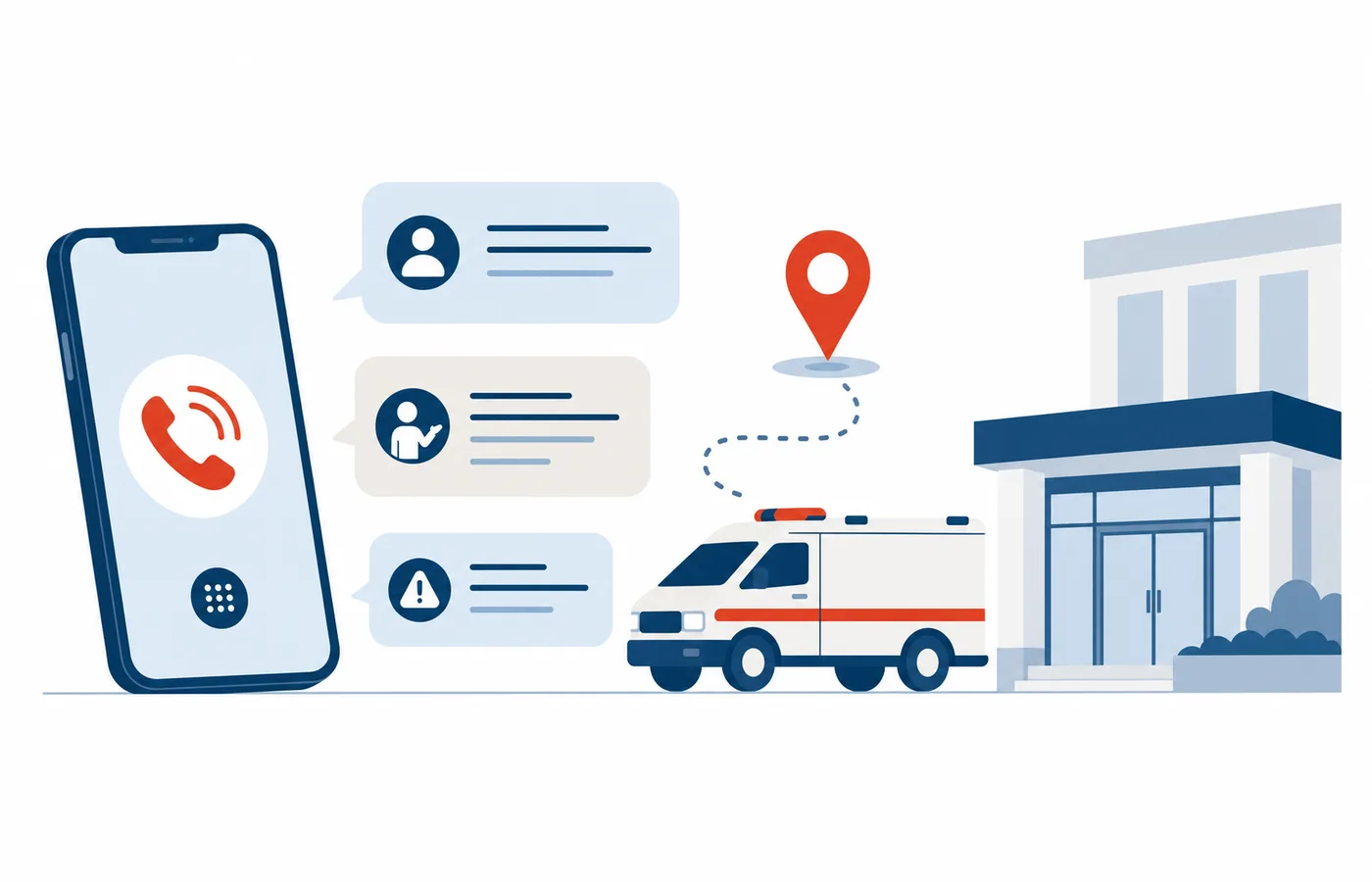
An emergency visit can finish before every administrative task is complete. A patient may still need the formal emergency record, pending reports, image data, a prescription, medicine-dispensing record, itemized charges, a valid receipt, insurer evidence or a named follow-up route. This guide helps international patients close those handoffs. It does not interpret a result, recommend a medicine, set a follow-up interval or decide whether symptoms require another emergency assessment. Follow the responsible clinical team's instructions; in an immediate medical emergency in mainland China, call 120.
Use this as a practical starting point
Provider procedures can change, so confirm time-sensitive details with the hospital, insurer or service. A licensed professional must make clinical decisions for an individual patient.
At a glance
Key points
- Confirm the clinician-recorded destination and responsible follow-up route before treating the emergency encounter as administratively complete.
- The emergency visit record, test order, completed report, original image data, prescription, dispensing record, charge list and receipt are different documents.
- A portal preview, payment status or push notification may help navigation but is not automatically the complete formal record required by another provider or insurer.
- Ask the responsible team how and when to obtain pending reports, and return clinical questions to that team; this guide does not interpret results.
- Use the prescription exactly through a lawful provider or pharmacy route and ask qualified professionals about any discrepancy; never alter or substitute from translation alone.
- If records will be needed after leaving the city or China, identify the record holder and its verified remote-request route before departure.
Confirm what the emergency record says happened next
Ask the emergency team whether the recorded destination is advised departure, transfer, observation, inpatient admission or another state. The 2024 national information-page rules are designed to make that destination traceable. Request the encounter number, department, clinician or responsible service and any provider-issued destination or follow-up instruction. Do not infer the final state from a payment screen, room change or empty waiting area.
If the patient moved to observation, inpatient care or another institution, use the guide for that handoff and identify which team now owns the record. If the patient was advised to leave, ask which document records the emergency assessment and where follow-up should occur. This website cannot decide whether leaving is safe or whether another visit is needed.
A completed checkout is not a clinical clearance. Use the treating team's recorded instructions and contact that team about any patient-specific concern.
Build an inventory instead of asking for one vague 'medical record'
National rules treat outpatient, emergency and inpatient materials as medical records and identify categories that eligible applicants may copy. Ask the provider which items exist for this encounter and who holds them. A useful administrative request names the emergency visit record, observation record if any, completed laboratory reports, imaging reports, original image data when available, procedure or consent records, prescriptions and the recorded destination or follow-up note.
The hospital may retain the official record while giving the patient a portal view, printed summary or verified copy. Confirm whether the item is preliminary or final, whether every page belongs to the correct patient and encounter, and whether a provider verification mark is required for the intended recipient. Do not edit a report, remove context or present a translated summary as the original record.
- Emergency encounter or visit record
- Emergency-observation record when applicable
- Completed laboratory and imaging reports
- Original image dataset or provider-supported export when required
- Prescription and dispensing information
- Recorded destination and provider-issued follow-up note
Reconcile every order with its current report status
List each ordered or paid examination and ask whether it was performed, cancelled, rejected, still processing or complete. A charge does not prove completion, and a sample, scan or preliminary portal entry does not prove that the final report is ready. Confirm the official release channel, patient identifier, expected provider update and contact for a missing or mismatched item.
When a report is released, preserve the complete original and arrange the follow-up specified by the responsible provider. Do not use flags, automated comments, translated phrases or online comparisons to interpret it. If another provider will receive the result, ask what format and verification it accepts and whether original image data or a formal copy is also required.
If a report remains pending after the patient leaves, keep the order number, encounter number and verified records-office or department contact. Avoid sending a passport or full medical file to an unverified personal account merely because it promises faster access.
Keep prescription, dispensing and medicine questions separate
Ask whether a prescription was issued, where it may lawfully be dispensed, whether payment was completed and whether medicine was actually collected. These are separate states. Preserve the original prescription information, package, active-ingredient name, strength, instructions and proof of purchase where available, without rewriting or translating them into a substitute order.
If the package, pharmacy label or available stock does not match what was expected, pause and ask the prescriber or qualified pharmacist. Do not combine, replace, repurchase, start, stop or change medicine based on this guide, a translation or another country's brand name. For a lost, expired or inaccessible prescription, return to the responsible prescriber or pharmacy workflow.
A translated medicine name supports communication; it is not authority to select a substitute, dose or schedule.
Close the bill and insurance file without mixing the documents
Request the itemized charge statement, valid medical fee receipt, payment or refund record and any hospital document specifically requested by the insurer. Check patient identity, institution, date, amounts and receipt status before leaving. A receipt proves a financial transaction; it is not the clinical record or evidence that every charged service was completed.
Ask the insurer whether it needs an emergency record, diagnosis or treatment document, prescription, itemized charges, original receipt, translation, claim form or proof of payment. Coverage and deadlines come from the contract and payer decision. A hospital cannot promise reimbursement, and an insurer's document checklist does not rewrite the hospital record.
When direct billing was attempted, record what the hospital submitted, what remains unpaid and the insurer or administrator reference. Even if the patient paid nothing at the desk, ask which receipt or settlement statement is available for the personal file.
- Itemized charges
- Valid receipt and current receipt status
- Payment, deposit or refund record
- Insurer or administrator reference
- Claim-specific clinical documents
- Identified translation only when the recipient requires it
Create a provider-led follow-up handoff
Ask which department or clinician is responsible for follow-up, whether an appointment or referral has already been created and what record should be brought. Record the provider-issued interval, contact and return instructions exactly. This page does not set a follow-up date, assess symptoms or decide whether an internet hospital, ordinary clinic or emergency department is appropriate.
For another hospital, ask the receiving service to confirm acceptance, campus, department, language, record format and booking status. Sending a report does not create a referral or guarantee that the recipient can use it. If the emergency team recommends transfer, the provider-to-provider and transport route should be coordinated as a clinical handoff rather than reconstructed from this checklist.
Keep a concise cover sheet listing the provider names, encounter number, record inventory, current prescriptions, pending items and responsible contacts. Keep clinical conclusions inside the original provider records instead of rewriting them in plain language or another language without attribution.
Plan remote access before leaving the city or country
Identify the legal institution and exact campus that holds the record, plus its medical-records office, patient portal or other verified request channel. Ask what patient identity, representative authority, named record items, fees and delivery options are required. A provider-specific online mailing service, such as the published Beijing Ditan Hospital example, does not prove that another hospital offers email, overseas delivery or the same passport workflow.
Preserve portal access securely without sharing passwords, one-time codes or unrestricted links. For a representative, insurer or overseas clinician, ask the provider what authorization is needed and share only the necessary material through an accepted route. If the recipient needs translation, certification, notarization, apostille or another authentication step, confirm that requirement with the recipient before ordering it.
If a missing document is discovered later, use the provider's remote-request process rather than asking an informal contact to photograph the hospital screen. Keep the request reference and distinguish a submitted request, identity review, payment, record completion and dispatch as separate states.
Useful language
Navigation phrases
Show the Chinese characters when pronunciation is uncertain. Use the copy button to send one phrase through a trusted channel without retyping it.
Avoidable problems
Common mistakes
- Treating checkout, payment or departure from the building as proof that the clinical record and follow-up are complete
- Asking for 'everything' without naming the emergency record, reports, images, prescription and destination note
- Treating a portal preview, notification or preliminary entry as the complete final report
- Interpreting flags or changing medicine from a translated record without the responsible professional
- Submitting only a receipt to an insurer when the contract requires separate clinical and itemized documents
- Leaving the city without identifying the record holder and verified remote-request channel
Common questions
Frequently asked questions
What should I request after an emergency visit in China?
Ask what exists for the encounter and what the next recipient needs. Common distinct items include the emergency visit or observation record, completed reports, original image data where available, prescription, itemized charges, valid receipt and recorded destination or follow-up note. Not every encounter creates every item.
Is a screenshot from the hospital app enough?
It may help identify a record, but it is not automatically a complete or formally verified copy. Ask the hospital and receiving provider or insurer which version, pages, file format and verification mark are required.
What should I do if a report is still pending?
Confirm the order and encounter numbers, official release channel and responsible provider contact. Arrange the clinical review specified by that provider when the complete report is issued. This site does not interpret the result or decide whether another examination or emergency visit is needed.
When should I follow up after the emergency visit?
Use the interval and destination given by the responsible clinical team. Ask it to record the department, appointment or referral and how to respond to a patient-specific concern. This guide cannot set a timetable, assess symptoms or tell someone whether it is safe to wait.
Evidence
Sources consulted for this guide
National rules are separated from city and provider examples. Access dates show when a source was collected; source pages and procedures can change afterward.