
Emergency & urgent care
Urgent and after-hours medical care in China
Verify evening, extended-hours and weekend clinics, emergency departments, hotlines and online routes without treating service labels as clinical advice.
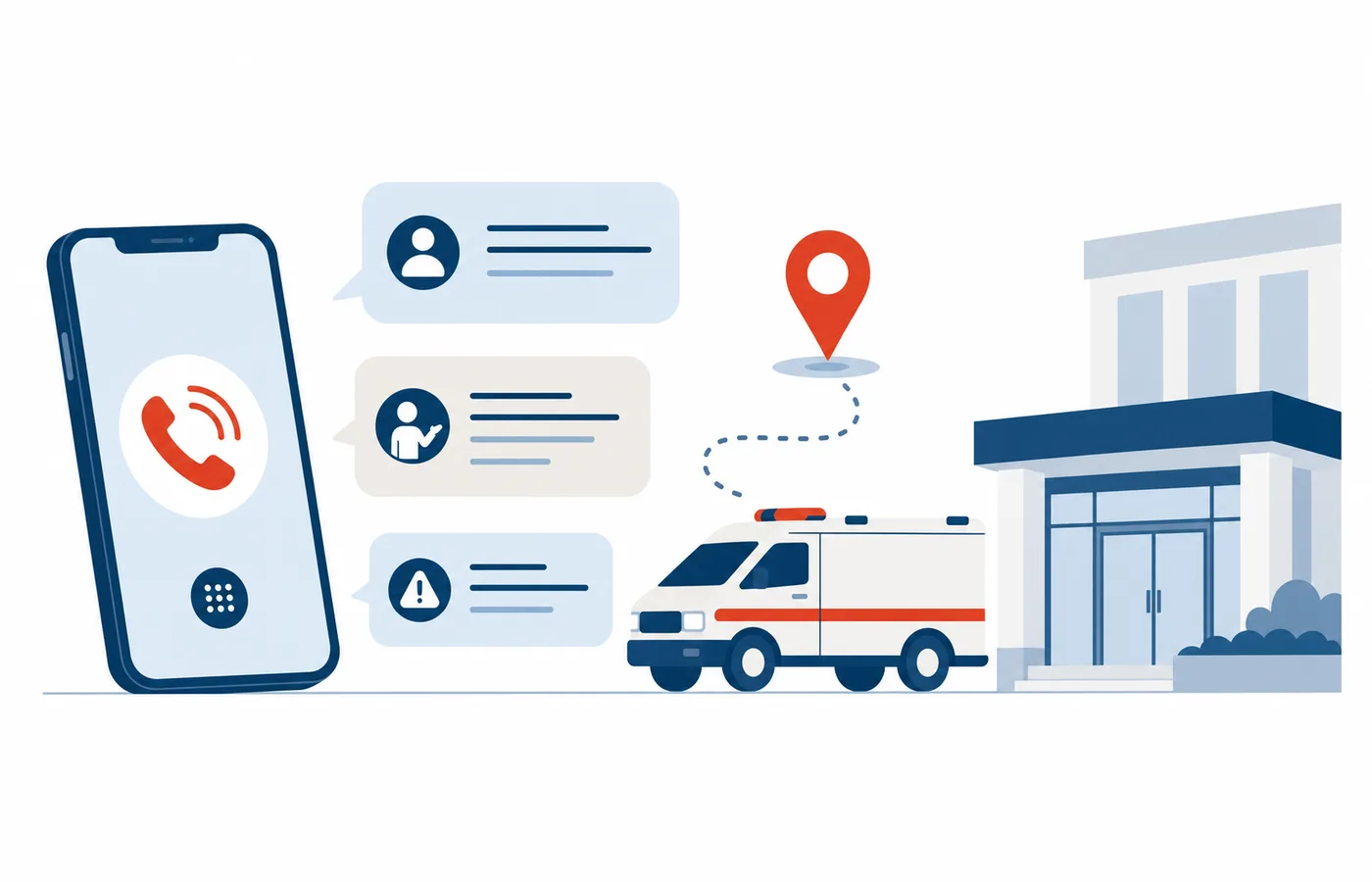
After-hours medical care in China is described through provider-specific labels such as evening clinic, extended-hours clinic, weekend clinic, internet hospital, consultation hotline and emergency department. These labels do not form one nationwide urgent-care system, and they do not tell a patient which clinical setting is appropriate. A service may operate only on certain dates, at one campus, for named departments, with an appointment or before a registration cutoff. This guide helps international patients verify those administrative facts. It does not assess symptoms, supply red flags or thresholds, advise waiting, choose 120 versus another route, or recommend a hospital. The separate emergency page remains the immediate official-number resource.
Use this as a practical starting point
Provider procedures can change, so confirm time-sensitive details with the hospital, insurer or service. A licensed professional must make clinical decisions for an individual patient.
At a glance
Key points
- Treat urgent care as a search phrase, not a standardized nationwide provider category.
- Identify whether a listing means an emergency department, evening outpatient clinic, extended-hours session, hotline or online service.
- Verify the date, exact campus, department, appointment requirement and registration cutoff through a current official channel.
- A 24-hour telephone or bilingual assistance line does not prove that a clinic or emergency department is open.
- Check age scope, language assistance and insurer handling separately; none follows automatically from the service name.
- Keep administrative route verification separate from clinical urgency, transport and patient-specific care decisions.
Decode the provider's service label before using its hours
Begin by copying the exact Chinese and English label from the provider's official source. 夜间门诊 usually describes an evening outpatient session, 延时门诊 an extended-hours clinic and 周末门诊 a weekend session. 急诊科 identifies an emergency department. A provider may use another local label, so ask what registration record and physical department the term refers to rather than translating all of them as urgent care.
National policy has encouraged flexible, extended and evening outpatient services, but it does not create one uniform schedule or require every hospital and specialty to participate. An after-hours outpatient session remains different from an emergency department. The label describes an administrative service route; it does not classify the patient's condition or decide which route is clinically appropriate.
Service names organize provider operations. They are not a symptom checker, urgency score or recommendation for an individual patient.
Verify the exact date, campus, department and cutoff
Use the hospital's official website, verified app, official WeChat account or current government directory. Confirm the calendar date, including whether a holiday notice overrides the regular timetable. Then confirm the campus, building and department. A hospital group can publish different hours for different locations, and an evening session may cover only selected departments.
Ask whether an appointment is required, when registration opens and closes and whether the listed end time means the last registration, last appointment or building closure. Confirm whether the visit uses ordinary outpatient registration or another provider-defined route. Do not infer access from a timetable screenshot without its date, campus and notice context.
- Calendar date and holiday notice
- Exact campus, building and department
- Appointment or walk-in registration rule
- Registration cutoff and responsible contact
Separate open facilities from phones and online channels
A 24-hour number can be a switchboard, bilingual navigation line, insurer assistance service or emergency contact. It does not automatically mean an outpatient clinic is open or an interpreter is waiting on site. Chongqing's official bilingual-hotline notice, for example, presents round-the-clock hospital guidance lines while separately directing medical emergencies to 120. Use that as evidence that phone function must be checked, not as a rule for every city.
An app, messaging account or internet hospital can also remain available when a physical department is closed. Confirm what the channel actually does: information, booking, payment, record access or a provider-controlled online-care service. Do not assume an automated reply confirms clinical availability, and do not use an online label to decide whether in-person care is required.
- Phone owner and stated function
- Operating time for the physical service
- Whether a person or automated system answers
- What the online channel can administratively complete
Confirm patient scope, language and payment separately
Ask whether the named session publishes an age, specialty, patient-group or referral restriction. A general hospital label does not establish pediatric access, and an international clinic's daytime scope does not prove that its language or billing arrangement continues after hours. Record only what the exact provider confirms for the exact service.
Ask whether language assistance is available at registration and during material communication, how it is delivered and whether advance arrangement is required. For payment, ask the provider about accepted methods and receipts, then ask the insurer about the campus, department, network and authorization. A booking confirmation does not prove coverage, and insurer guidance does not verify clinical capability.
- Published age and specialty scope
- Language-support method and booking requirement
- Provider payment and receipt route
- Insurer network and authorization response
Build a complete administrative route before relying on a listing
A usable route should name the legal institution, exact campus, Chinese address, service label, department, session date, registration method, cutoff, entrance and official contact. Save the accepted identity document and any patient-number requirement. These fields prevent an English name or old map pin from sending a user to a different building or closed registration desk.
Keep confirmation references together: official URL, notice date, appointment number, message screenshot and telephone time. Mark unconfirmed fields as unknown. If the provider changes the appointment or service status, ask whether payment and insurer authorization remain active; schedule, registration, payment and coverage are separate records and may not update together.
The route is not verified until the date, campus, service, registration and contact all refer to the same provider session.
Use an official correction path when information conflicts
When a map, government directory and provider account show different hours, prioritize a current notice from the exact provider and ask its responsible service desk to clarify. Government directories are valuable starting points, but the national disclosure framework does not guarantee that every copied page reflects a same-day operational change. Record who confirmed the update and when.
Do not resolve missing service information by deciding that the person's condition can wait, belongs in an emergency department or should use a particular transport method. Those are outside this R1 guide. Keep the 120 safety page visible, ask the responsible medical service for clinical direction and use this article only to verify administrative facts once a route is being identified.
An administrative information gap must not be converted into clinical advice. Escalate the question to the responsible provider or emergency service.
Useful language
Navigation phrases
Show the Chinese characters when pronunciation is uncertain. Use the copy button to send one phrase through a trusted channel without retyping it.
Avoidable problems
Common mistakes
- Treating urgent care as one standardized type of facility across China
- Reading an evening-clinic timetable as proof that every department participates
- Confusing a 24-hour hotline, switchboard or app with an open physical service
- Using a hospital group's hours without checking the campus and registration cutoff
- Assuming language assistance, pediatric access or direct billing continues after hours
- Turning incomplete opening-hours information into a clinical decision about waiting or destination
Common questions
Frequently asked questions
Is urgent care a standard type of clinic throughout China?
No. Providers use different labels for emergency departments, evening clinics, extended-hours outpatient sessions, weekend clinics, hotlines and online services. Identify the provider's actual Chinese service name, registration route, campus and hours instead of relying on the English phrase urgent care.
Does a 24-hour hospital telephone mean that a clinic is open all night?
No. The number may be a switchboard, navigation line, insurer-assistance contact or another service. Ask who operates it, what it can confirm and whether the named physical department is open at the exact campus and time.
Can an internet hospital or app replace an in-person after-hours service?
Do not assume so. Confirm whether the channel provides information, booking, records or a provider-controlled online service. The responsible provider determines its service scope and any need for in-person care; this guide makes no patient-specific clinical decision.
Can my insurer's assistance line tell me which after-hours provider to use?
It may explain network, authorization or assistance arrangements under the policy, but it does not prove an exact campus is open or clinically appropriate. Verify service facts with the provider and keep insurer coverage decisions separate from provider and clinical decisions.
Evidence
Sources consulted for this guide
National rules are separated from city and provider examples. Access dates show when a source was collected; source pages and procedures can change afterward.