
Pediatric & child healthcare
Find pediatric after-hours and emergency care in China
Verify the exact child service, campus, entrance, age scope and live opening notice while keeping perceived emergencies on the 120 route.
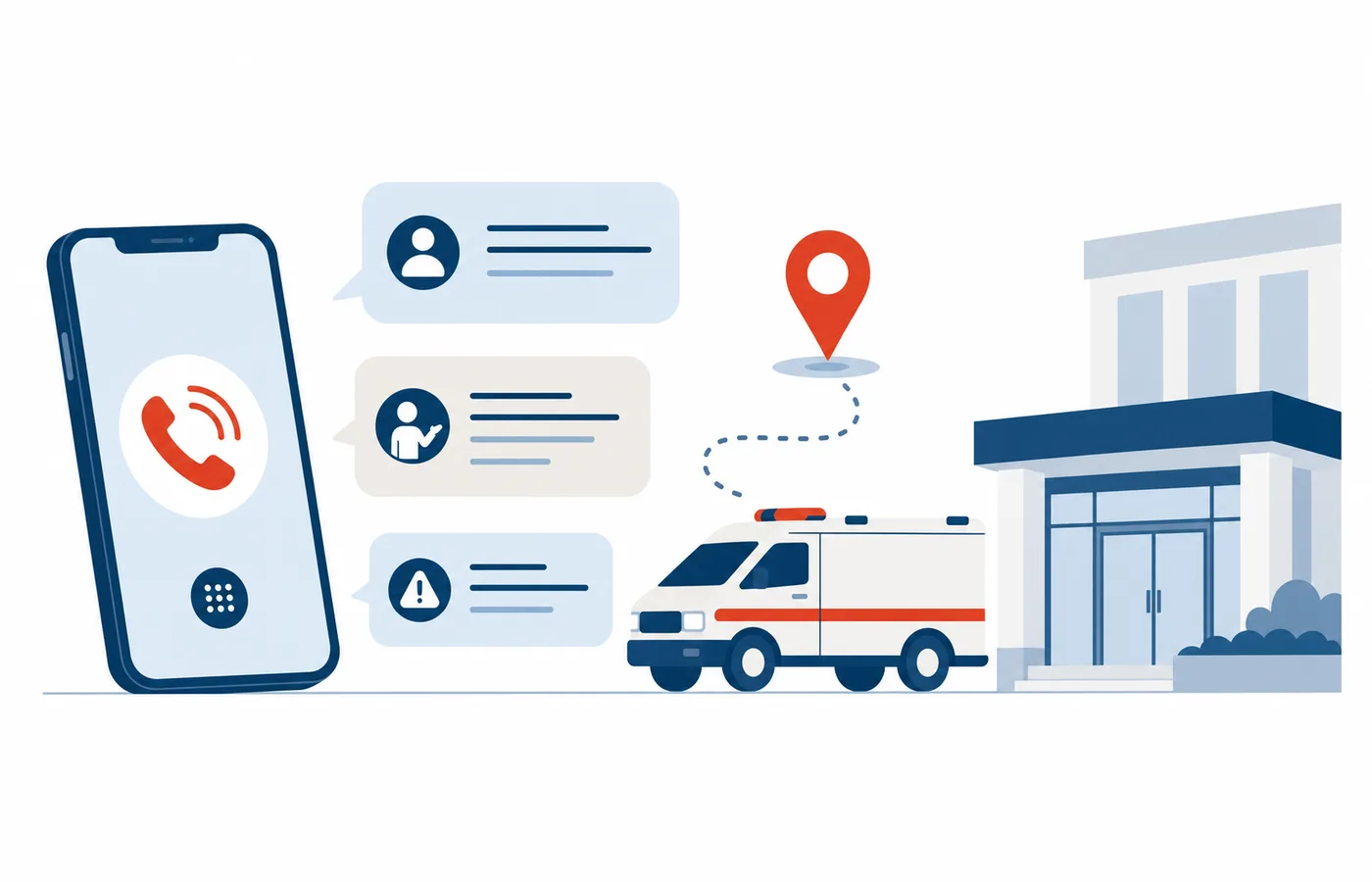
Pediatric after-hours access in China must be verified at the exact institution and campus. A children's hospital, general-hospital emergency department, pediatric emergency service, maternal-and-child institution, extended clinic, international department and 24-hour telephone line are different administrative facts. National policy is strengthening pediatric emergency links and may direct local institutions to add extended sessions during high-demand periods, but it does not make every pediatric department open overnight or every campus equivalent. This R1 guide is for directory verification and route records only. It does not assess a child, define urgency, interpret a condition or tell a family to wait. For a perceived medical emergency, call 120 and follow the dispatcher's instructions; use the site's dedicated 120 and emergency-department guides alongside this page.
Use this as a practical starting point
Provider procedures can change, so confirm time-sensitive details with the hospital, insurer or service. A licensed professional must make clinical decisions for an individual patient.
At a glance
Key points
- For a perceived medical emergency, call 120; do not use an after-hours directory search as a substitute for emergency dispatch.
- An after-hours clinic, emergency department, pediatric emergency service, international department and 24-hour hotline are not interchangeable.
- Verify the legal institution, exact campus, child service and entrance through official sources before relying on a listing.
- National plans for 24-hour child rescue links and extended pediatric access are implementation directions, not a live nationwide timetable.
- Ask the provider for its published age scope because a general emergency department and a pediatric service may use different child-access routes.
- Confirm language help, identity registration and payment for the exact after-hours service, but never delay a 120 call for those checks.
- Save the source, notice date and check time because after-hours arrangements can change by campus, holiday and operational notice.
- Use unknown when an official source does not confirm a field; a map pin, review or switchboard label is not a service guarantee.
Keep one non-negotiable boundary: perceived emergency means 120
This guide does not contain a self-assessment, severity scale or clinical decision tree. If a parent, guardian or responsible adult perceives a medical emergency, call 120 and follow the dispatcher's instructions. Do not wait to compare hospitals, translate a record, create an app account, locate an interpreter, obtain a routine referral or confirm insurance. The national pre-hospital emergency framework identifies 120 as the public emergency call number and places dispatch and handover within that system.
A hospital telephone line, community center, family-doctor account, insurer assistance service, international clinic and appointment platform are not the 120 dispatch system. The site's separate guide on when and how to call 120 explains the administrative call route, and the emergency-department guide explains exact-campus verification. This pediatric page adds child-specific directory fields only; it does not choose a destination or override an emergency dispatcher.
For a perceived medical emergency in mainland China, call 120. Administrative uncertainty should not delay the call.
Separate the five after-hours labels before searching
An extended pediatric clinic is an outpatient service outside ordinary daytime hours. A pediatric emergency service is a provider-defined emergency route for children. A general emergency department may have its own age or internal pediatric process. An international department can have hours and emergency scope different from the rest of its hospital. A 24-hour line may provide information while no related clinic is open. Write the label claimed by the source and do not replace it with a broader one.
The 2025–2027 action plan tells institutions to strengthen pediatric emergency links and, where needed during high-demand periods, add evening or weekend outpatient capacity. That wording does not create fixed hours for every provider and does not mean a temporary extended clinic is a 24-hour emergency department. Confirm the current provider notice, campus and service. If the official channel cannot identify which label applies, record the route as unverified.
- Extended pediatric outpatient clinic
- Pediatric emergency service
- General emergency department with a provider-defined child route
- International department with stated hours and scope
- Telephone or online information line
Verify institution, campus, service and entrance as four facts
First match the Chinese legal institution name and registered location through the official institution query. Next identify the campus, because one hospital organization can operate several sites with different pediatric services. Then confirm the named after-hours or emergency service on that campus. Finally, obtain the Chinese entrance, gate or building name. A hospital's main address or map pin may not identify the route operating outside ordinary outpatient hours.
Ask whether the service publishes an age boundary and whether that boundary applies to the exact campus and route. Do not assume that a children's hospital accepts every age, that a general emergency department automatically includes pediatric access, or that a maternal-and-child institution operates a continuous emergency service. The provider must state its current access scope. This is an administrative verification, not a conclusion about where a child should receive care.
- Chinese legal institution name
- Exact campus and Chinese address
- Named child after-hours or emergency service
- Entrance, gate or building in Chinese
- Provider-published age scope
- Official contact used and check time
Use live provider disclosures and time-stamp every result
National disclosure policy supports publication of service content, opening hours, holiday arrangements, outpatient and emergency processes and consultation channels. Use the hospital's current official website, verified account, app or government notice. Check the publication or update date and look for temporary campus, holiday or capacity notices. A search result can surface an older page without warning, so keep the live URL and time of confirmation.
When a page and telephone answer differ, ask the provider which notice is current and which desk owns the route. Record the answer without upgrading it. A building marked 24 hours, a 24-hour switchboard and a 24-hour bilingual hotline are not proof of a pediatric emergency service. Likewise, a page describing a daytime international clinic does not prove its language or payment arrangements extend into another department after hours.
Store the exact wording the provider uses. Do not convert 'information line,' 'extended clinic' or 'hospital open' into 'pediatric emergency department.'
Confirm identity, language and payment without creating delay
For advance directory work, ask how the child is registered with a foreign passport, whether an existing patient number should be used, and what the accompanying adult must show. Ask whether the after-hours desk can correct a foreign-name mismatch or only create a temporary local record. Never place the child under a guardian's patient number or insurance credential. Preserve the provider's official correction route for later use.
Confirm whether English help exists at the exact entrance and time and whether it covers registration, communication or payment. Ask the provider about accepted payment methods and official receipts; ask the insurer separately about network, authorization and claims. These are advance administrative checks only. For a perceived medical emergency, call 120 first and do not delay the call to resolve identity, language, deposit, direct-billing or coverage questions.
- Child identity route
- Existing patient number and name match
- Guardian or authorized-companion evidence
- Language-support type, place and time
- Provider payment and official-receipt process
- Separate insurer contact and policy reference
Maintain a source-dated child after-hours route record
For each locality, save one compact record with the legal institution, campus, Chinese address, service label, entrance, official telephone, published age scope, current hours, identity route, language answer, payment owner, source URL and check time. Add a clear status such as confirmed, temporary, unknown or superseded. Recheck after a move and whenever the provider posts a new campus or holiday notice.
Keep the 120 guide and emergency-department guide next to this record. The saved after-hours information is not an instruction to bypass 120 and does not reserve access. A provider may change operations, and an emergency dispatcher controls the public pre-hospital route after a 120 call. If the family perceives a medical emergency, call 120; do not use the saved comparison to make a clinical choice.
Useful language
Navigation phrases
Show the Chinese characters when pronunciation is uncertain. Use the copy button to send one phrase through a trusted channel without retyping it.
Avoidable problems
Common mistakes
- Using an after-hours search to decide whether a child has an emergency
- Treating an extended outpatient clinic as a 24-hour emergency department
- Treating a 24-hour hotline, switchboard or building as proof of pediatric emergency care
- Saving a hospital-group address without the exact campus and entrance
- Assuming a general emergency department accepts every child age through one route
- Assuming daytime international-department language or billing continues after hours
- Relying on an undated search result, map pin or review instead of a live official notice
- Delaying a 120 call during a perceived medical emergency for passport, language or insurance checks
Common questions
Frequently asked questions
Does every children's hospital have a 24-hour pediatric emergency department?
Do not assume so. Confirm the exact campus, service, entrance, age scope and current official opening statement. A national policy direction is not a live provider guarantee.
Is an evening pediatric clinic the same as pediatric emergency care?
No. It is an extended outpatient route unless the licensed provider explicitly identifies a separate emergency service. Record the provider's exact label and scope.
Does a 24-hour hospital telephone number mean the child service is open?
No. A line, switchboard or information service is not proof of an open pediatric clinic or emergency department. Verify the exact service through a current official source.
Can I rely on an international department after hours?
Only if that exact department and campus publish or confirm the relevant hours and scope. Daytime language, payment or direct-billing arrangements do not automatically transfer to another service.
Should I wait to find an interpreter or confirm insurance in a perceived medical emergency?
No. Call 120 and follow the dispatcher's instructions. Administrative and payment questions must not delay the call.
Can this guide tell me whether the situation is urgent?
No. It contains administrative verification only. If you perceive a medical emergency, call 120. The guide does not classify a child's condition or provide clinical advice.
Evidence
Sources consulted for this guide
National rules are separated from city and provider examples. Access dates show when a source was collected; source pages and procedures can change afterward.