
Living in China
When a foreign national dies in Shanghai: certificates, cremation and repatriation
A Shanghai route for the current death certificate, official funeral-home transfer, cremation or repatriation, immigration closure and Customs handoff.
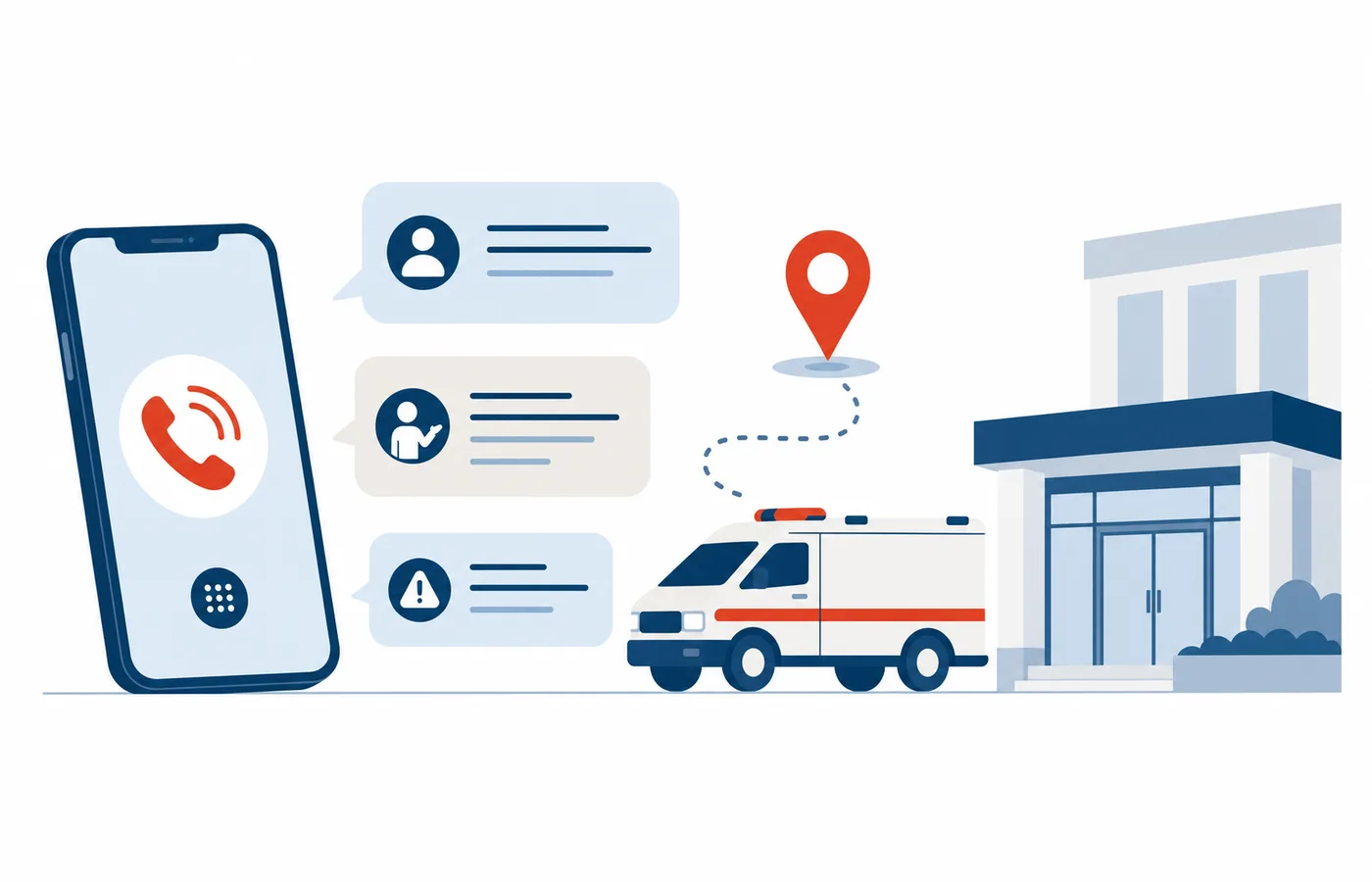
Shanghai has unusually detailed official material for a foreign national's death, but the documents must be read in date order. The city's English foreign-national guide was published on 19 May 2026. On 1 July 2026, China began using a unified Resident Medical Certificate of Death under a newer national notice that expressly covers foreign and stateless people, accepts a passport or another lawful identity number and gives paper and electronic certificates equal legal effect. Where the May Shanghai page uses older labels or describes a certificate route differently, the July national rules and the current instruction of the responsible Shanghai medical, police, civil-affairs or exit-entry authority should control. This guide is an administrative sequence, not medical, consular, legal, inheritance or destination-country advice. It separates the medical certificate for a normal death, police proof for a non-normal death, funeral-home transport, cremation, Shanghai exit-entry cancellation, the authorized international remains operator, China Customs health quarantine, the airline or cargo carrier and the destination country's import requirements. It also avoids promising that a foreign national can use Chinese household-registration one-stop services, municipal subsidies or identity-card-only online forms.
Use this as a practical starting point
Provider procedures can change, so confirm time-sensitive details with the hospital, insurer or service. A licensed professional must make clinical decisions for an individual patient.
At a glance
Key points
- Since 1 July 2026, use the unified national Resident Medical Certificate of Death for a normal death; Shanghai pages published earlier must be read subject to that newer rule.
- For a normal death in a hospital or during transport to care, the responsible medical institution signs the medical certificate; for a normal death at home, contact the health institution at the place of death; public security handles non-normal death proof.
- Do not move the body in a private car, ambulance, hotel vehicle or unverified agent's van. Shanghai funeral homes are the ordinary authorized remains carriers.
- Call Shanghai's 962840 funeral hotline or an official funeral home before agreeing to a package, and keep the official service contract, itemization and receipts.
- Cremation and direct repatriation of the body are different routes. Decide only after the family, consulate, insurer and authorized operator understand the documents, time, cost and destination rules.
- For overseas transfer of a foreign national's remains, Shanghai requires reporting to municipal exit-entry administration and obtaining the locally specified Foreigner's Death Certificate before the authorized international operator proceeds.
- Canceling the deceased person's stay or residence document is an immigration action; it does not itself authorize cremation, customs release, airline carriage or destination-country admission.
- Local one-stop or fee-support language does not guarantee eligibility for a foreign passport holder. Ask the funeral home and responsible authority to confirm identity materials and any relief in writing.
Build one case map with separate owners for every document and handoff
Open a case log with separate rows for the medical institution, public security if involved, funeral home, Shanghai exit-entry administration, consulate, authorized international remains operator, Customs health quarantine, carrier and destination-country authority. These organizations do not issue interchangeable documents. The medical institution records a normal death and cause. Public security investigates or certifies a non-normal death. The funeral home transfers and stores the body and handles cremation. Exit-entry administration closes the foreign national's immigration document and, for overseas body transfer in Shanghai, issues the city-specific foreign death document identified by the municipal guide. The international operator prepares the cross-border funeral shipment. Customs examines the health-quarantine declaration. The carrier and destination authority apply their own transport and import conditions.
Record the deceased's passport name exactly, nationality, passport number, date and place of death, hospital or address, family representative, consular contact and the spelling requested by the destination. Do not silently translate, shorten or reverse the name. Ask each issuer to show the draft identity fields before final issue where its process allows. A name or passport mismatch can later affect the funeral contract, exit-entry report, consular papers, airway bill, customs declaration and use of the Chinese certificate abroad. Keep a protected scan of each issued original, but send documents only through verified official or contractual channels.
- Medical certificate: normal death and medical cause
- Police proof: non-normal death or a police-managed case
- Funeral home: pickup, storage, funeral, cremation and cremation proof
- Exit-entry administration: death report and stay or residence cancellation
- International operator: embalming, coffin, permits and shipment coordination
- Customs health quarantine: China-side inspection and release
- Carrier and destination authority: transport acceptance and foreign import
A document accepted by one desk is not automatic approval from the next. Keep every owner and decision separate.
Use the post-1 July rule to identify who issues the first death proof
For a normal death during treatment, on the way to a medical institution or after an attending team arrives at the scene, the responsible medical and health institution issues the unified Resident Medical Certificate of Death. For a normal death at home, in an apartment, hotel, elder-care setting or another non-medical location, contact the township or subdistrict health centre or community health service centre responsible for the place of death. The national full-process rule requires the doctor to examine or investigate and, where the normal cause is clear, calls for issue within one day of the death or the close relative's report. Do not promise that a particular hospital will certify a person it did not treat or investigate.
For an accident, suspected crime, suicide, unexplained death, identity concern or other non-normal event, call 110 and preserve the scene. Public security determines the investigation, examination and release route and issues non-normal death proof where required. Do not ask a community clinic to describe a doubtful death as normal merely to speed cremation. If a person may still be alive or death has not been medically established, call 120 and follow emergency instructions first. This guide begins only after the competent professional has made the death determination; it is not a guide to deciding whether death has occurred.
Reconcile Shanghai's May foreign-national guide with the unified certificate
Shanghai's 19 May English guide says a natural-death certificate is issued by a hospital at or above county level and discusses notarized death evidence where death occurs at home or a hospital cannot issue. That page is valuable for Shanghai's foreign-national and repatriation contacts, but it predates the national certificate change. From 1 July, the national notice expressly covers foreign nationals and assigns the unified medical certificate to the medical institution responsible for treatment or normal-death investigation, including the local primary health institution for a normal home death. Start with that current issuer allocation and ask Shanghai 12345, 962840 or the responsible health institution how the new form is being implemented locally.
Notarization, translation, apostille or consular authentication is a later use question, not a substitute for obtaining the correct China death proof. Ask the consulate and the authority that will receive the document abroad whether they require the original, certified copy, translation, notarization, apostille or another legalization step. Preserve the Chinese certificate's paper copies and any electronic credential, if issued or made available. Do not surrender the only family copy to a private agent, and do not assume that a Shanghai-issued Foreigner's Death Certificate for body repatriation replaces the medical certificate in inheritance, insurance or foreign civil-registration procedures.
The May Shanghai guide remains useful for local contacts, but its certificate wording is not the last word after 1 July 2026.
Arrange only official funeral-home pickup and controlled temporary storage
Shanghai's transport measures make funeral homes the remains carriers except for defined special circumstances. Once the correct death proof or police case document is available and the body is released, call 962840 or an official funeral home. Give the exact location, death-proof status, whether police or the hospital controls release, any infection or preservation concern and the representative's contact. Ask for the funeral-home name, vehicle details, pickup reference and destination facility. The national medical-facility rules prohibit using an ambulance, non-emergency medical transfer vehicle or private intermediary to transport a body and limit medical-institution mortuaries to temporary holding.
At handoff, compare the identity on the body tag, death proof and funeral-home record. Record the transfer time and receiving facility. Under the 2026 national funeral regulation, funeral-home storage is generally no more than three days unless the family or transferring body completes an extension and pays the applicable fee. International cases often require more time for police release, consular coordination, embalming, certificates and flights, so request an extension before the ordinary period expires. Ask for a written storage rate and do not accept an unitemized claim that a private 'mortuary partner' controls access.
Choose between Shanghai cremation and direct body repatriation
The two principal administrative routes are local cremation followed by disposition or transport of ashes, or preparation and international repatriation of the body. The choice can depend on the deceased's wishes, family authority, religion, consular practice, insurance policy, destination law, flight availability, time and cost. Ask the consulate what documents it can issue or verify, ask the insurer whether it appoints an assistance company, and ask the authorized Shanghai operator for a written route comparison. An insurer can fund or coordinate a case, but it cannot replace the funeral home, exit-entry, customs or destination authorities.
Do not authorize cremation while the family is still considering body repatriation. Cremation is irreversible. Conversely, do not preserve a body indefinitely on the assumption that an international flight is guaranteed. The national funeral regulation requires death proof and a cremation confirmation for cremation and requires the funeral home to issue cremation proof. For repatriation, the Shanghai transport rules require the foreign-national death report to exit-entry administration and the designated international network route. Put the family's decision, representative authority and any consular request in writing before the funeral home or operator acts.
If cremating in Shanghai, separate booking, authorization and ashes handling
Shanghai's funeral FAQ allows a representative to use Suishenban or Government Online-Offline Shanghai to request pickup, select a funeral home and choose a hall, or to call 962840 and deal directly with the facility. Foreign passport, login and relationship-document support may differ from the ordinary resident workflow, so do not rely on successful access to one screen. Ask the funeral home what original passport, representative identity, relationship or authorization, medical or police proof and consular letter it requires. The Shanghai foreign-national guide says the local funeral home may cremate on a written request signed by the family or the deceased's embassy or consulate, but the facility must confirm the current form.
Obtain the service contract, chosen items, cremation date, payment record and cremation proof. Ask when and to whom the ashes will be released and what container and seal are provided. Shanghai Civil Affairs identifies funeral-home temporary storage and registered columbaria as lawful storage routes and gives 962840 for guidance. If ashes will be taken abroad, ask the destination authority and carrier for their required death proof, cremation certificate, container, translation, consular paper and baggage or cargo procedure. Do not infer from the easier physical transport of ashes that no declaration or foreign import document is needed.
For direct repatriation, use Shanghai's designated international route
Shanghai's current transport measures designate the Shanghai office of the China Funeral Association international remains network as the body that handles cross-border transport involving foreign nationals. The municipal English guide says only Longhua, Baoxing and Yishan funeral homes are authorized in Shanghai for expatriate remains repatriation and publishes their telephone numbers. Start with 962840 or one of those official contacts and ask the facility to identify the international operator, case manager and contractual party. Do not let an ordinary travel agency, freelance translator, unverified funeral broker or overseas insurer's local salesperson take custody of the remains.
Request a written document plan: medical or police proof, passport, representative authority, Shanghai Foreigner's Death Certificate, consular communication, embalming and coffin certificates, operator-issued border documents, Customs health-quarantine filing, airway bill or other carrier record, transit permission and destination import approval. Ask who obtains each item, who pays each fee and what condition must be satisfied before the flight is confirmed. The operator should coordinate the technical package; the family should still verify the carrier and destination requirements independently because neither Shanghai Civil Affairs nor China Customs can promise acceptance abroad.
Complete Shanghai exit-entry reporting without confusing it with shipment approval
National law requires the family, guardian or agent to report a foreign national's death with the death proof to county-level-or-above exit-entry administration and cancel the person's stay or residence document. Shanghai's foreign-national guide directs cases involving overseas transport of the body to the Exit-Entry Administration of the Shanghai Municipal Public Security Bureau at 1500 Minsheng Road and publishes 021-68541199. It says the representative obtains a Foreigner's Death Certificate for the repatriation file. Contact the authority before attending because appointment, office and material arrangements can change and because a cremation-only case may be handled differently.
Bring only the materials the authority confirms: ordinarily the deceased's passport and immigration document, medical or police death proof, representative identity and authority, and any requested translation or organization letter. Obtain a receipt, cancellation record or the issued foreign death document as applicable. Immigration cancellation does not cancel a work permit, employment, tax, social-insurance, bank, telephone, lease or insurance record automatically. Those are separate estate or organizational tasks. It also does not authorize the body to leave China; the international operator must still complete civil-affairs and Customs steps and secure carrier and destination acceptance.
Treat Customs, carrier, transit and destination as four separate approvals
The authorized operator normally files the China Customs health-quarantine declaration for a body or skeletal remains through the customs platform or Single Window. Customs checks the death or police document and the technical package, conducts inspection or remote inspection as applicable and issues the health-quarantine certificate when the consignment qualifies. The national rules also require truthful customs declaration. Ask for the filing reference and final certificate. Do not try to present a sealed coffin as ordinary passenger baggage or assume that a consular letter alone is a Chinese customs permit.
The airline or cargo carrier separately determines booking, coffin construction, embalming, packaging, airport acceptance, dangerous-goods or cargo paperwork, escort, transit and schedule conditions. A transit country can require its own clearance even when the coffin does not leave the airport. The destination country decides import, public-health, civil-registration and receiving-funeral-home requirements. Obtain written confirmation from the carrier and destination funeral director or authority before finalizing the China-side shipment. A customs release in Shanghai means the China health-quarantine step passed; it is not a promise of boarding, transit or foreign admission.
Use Shanghai's digital services carefully and do not assume foreign eligibility
Shanghai offers strong digital access through Suishenban and Government Online-Offline Shanghai, including funeral-service booking and post-death one-stop functions. These channels can help a family select a funeral home, request pickup and organize a hall. However, a foreign passport holder, overseas family member or consular representative may not have the Chinese identity credential, phone registration, facial verification or relationship data used by the ordinary flow. Use the app if it accepts the case lawfully, but keep 962840 and direct funeral-home service available as the staffed route.
Likewise, do not promise a municipal package, subsidy, ecological-burial support or one-stop downstream cancellation merely because a city page mentions residents or people cremated in Shanghai. Ask the funeral home or Civil Affairs to identify the exact policy, beneficiary definition, covered items and accepted foreign identity documents. Obtain the answer before presenting a budget to the family. A service may be available at the listed public price even when a waiver is not. Separate required basic services from optional halls, flowers, preservation, ceremonies, premium vehicles and international preparation, and decline unrequested additions.
Close the Shanghai file with originals, receipts and unresolved-task owners
Before the body or ashes leave the funeral home, reconcile the identity across the unified medical certificate or police proof, funeral contract, cremation certificate or international preparation file, exit-entry document, Customs certificate and carrier record. Keep an original-document register showing who holds each original and which certified copies were made. Ask the funeral home for itemized invoices and the operator for a final account. Keep personal information out of public chat groups, and watermark working copies where the receiving authority permits it.
Create a remaining-actions list for the consulate, foreign civil registry, insurer, employer or school, work-permit authority, bank, tax, lease, telecom and estate representative. Those tasks fall outside the funeral transfer itself. If a Shanghai office gives a direction that conflicts with an older web page, record the officer or desk, date, reference and exact current instruction and use the formal complaint or review route if necessary. Because both the national death-certificate transition and the revised funeral regulation are new in 2026, recheck 962840, Shanghai exit-entry, Customs and the operator shortly before every irreversible action.
Useful language
Navigation phrases
Show the Chinese characters when pronunciation is uncertain. Use the copy button to send one phrase through a trusted channel without retyping it.
Avoidable problems
Common mistakes
- Following the May 2026 Shanghai certificate wording without checking the national rules effective 1 July
- Treating a medical certificate, police proof and Shanghai Foreigner's Death Certificate as the same document
- Allowing an ambulance, hotel vehicle, private driver or unverified broker to move the body
- Authorizing cremation before the family has made and documented the repatriation decision
- Assuming exit-entry cancellation also clears Customs, books the flight or closes employment and financial records
- Hiring a travel agency or ordinary funeral intermediary instead of Shanghai's designated international route
- Treating a China Customs certificate as airline, transit-country or destination-country approval
- Promising a subsidy, one-stop service or online login to a foreign passport holder without written confirmation
- Sending the only original death or cremation document abroad without retaining certified copies
- Paying an unitemized package or an unofficial person who claims to control a hospital mortuary
Common questions
Frequently asked questions
Does Shanghai's May 2026 English guide still apply after 1 July?
It remains a valuable official source for Shanghai contacts, exit-entry reporting, authorized funeral homes and repatriation structure. Its death-certificate terminology and home-death route must, however, be applied subject to the newer unified national certificate rules effective 1 July 2026.
Who issues the death certificate after a normal home death?
Under the current national rule, the township or subdistrict health centre or community health service centre responsible for the place of death investigates and issues the medical certificate for a normal death. Contact the local health institution and do not move the body before it and the funeral home give instructions.
Can a family use any Shanghai funeral home?
A family can use the official funeral service route for local funeral work. For international repatriation of a foreign national's body, Shanghai's official guide identifies Longhua, Baoxing and Yishan as the authorized funeral homes and requires the designated international network route.
Is the Shanghai Foreigner's Death Certificate the medical death certificate?
No. The unified medical certificate records a normal death and medical cause. Shanghai identifies a separate Foreigner's Death Certificate from exit-entry administration for overseas transport of a foreign national's body. Public security may also issue non-normal death proof in a police-managed case.
Can ashes simply be carried onto an international flight?
Do not assume so. Ask the airline, transit authorities and destination country what death, cremation, container, translation, consular and declaration documents they require. The funeral home or authorized operator can help prepare the China-side record.
Does canceling the residence permit have to wait until after cremation?
Contact Shanghai exit-entry administration promptly and follow its sequence. National law requires the death report and cancellation using death proof. Cremation and immigration cancellation are separate workflows, and the authority may need original documents before they are committed elsewhere.
Will Shanghai pay the funeral costs for a foreign national?
This guide makes no such promise. Local policies can distinguish household registration, place of death, place of cremation, service item and identity material. Ask 962840 or the funeral home to confirm eligibility and accepted passport or representative documents before relying on any relief.
Who is responsible if the airline or destination rejects the shipment?
Responsibility depends on the contracts and facts. Administratively, the operator coordinates the China-side technical file, Customs decides health-quarantine release, the carrier decides carriage and the destination authority decides admission. Obtain written confirmations before dispatch and seek qualified legal or insurance advice for a dispute.
Evidence
Sources consulted for this guide
National rules are separated from city and provider examples. Access dates show when a source was collected; source pages and procedures can change afterward.