
Using hospitals
Inpatient interpreters and authorized family updates in China
Build a language and privacy plan that distinguishes interpretation, family updates, consent, records and payment.
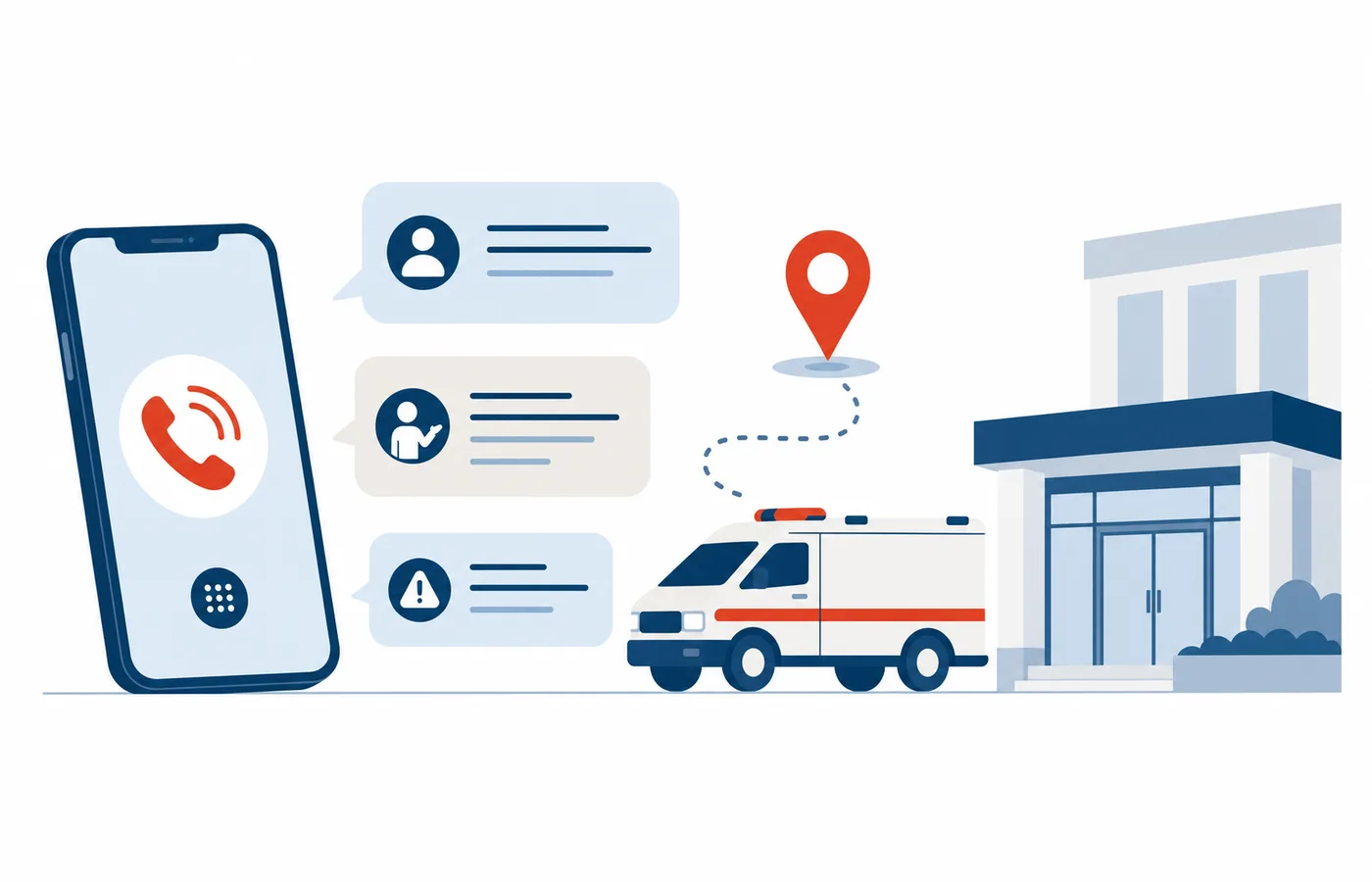
Language access and permission to share medical information are separate. An interpreter may relay a conversation without gaining a right to receive future updates, while a family contact may be authorized for limited updates without becoming a treatment decision-maker or records agent. This guide organizes those roles; it does not assess capacity, determine legal authority or interpret clinical information.
Use this as a practical starting point
Provider procedures can change, so confirm time-sensitive details with the hospital, insurer or service. A licensed professional must make clinical decisions for an individual patient.
At a glance
Key points
- Create a written role map for the interpreter, bedside companion, update contact, payer and records agent.
- Ask the hospital how it records the patient's preferred language and interpreter involvement.
- Define family updates by recipient, subject, channel and duration rather than giving a vague blanket permission.
- Consent authority, record copying, portal access, payment and routine updates require separate verification.
- Use one agreed update loop so relatives do not place conflicting calls to multiple departments.
- Review permissions after transfer, loss of contact, a new representative or any change in the patient's wishes or lawful circumstances.
Build a role-and-permission matrix
List each person or organization involved and the exact task: interpreting a live conversation, receiving a logistical update, receiving clinical information, helping with payment, requesting copies or participating in consent. Ask the hospital to verify each task under its own policy and the patient's current authorization.
Do not collapse all tasks into “family contact” or “representative.” A spouse, friend, employer, embassy contact, insurer case manager and interpreter can have very different permissions even when they all know the patient.
- Interpreter for live communication
- Primary family update contact
- Secondary logistics contact
- Payer or insurer contact
- Record-copy applicant
- Consent or legal representative, if separately verified
Arrange reliable inpatient interpretation
Tell the ward the patient's preferred spoken and written language, dialect and accessibility needs. Ask which interactions can be booked with the hospital's interpreter, whether a professional external or remote interpreter is accepted and how urgent communication is handled when the regular interpreter is unavailable.
The interpreter should relay the patient and clinical team's words accurately and identify uncertainty. The interpreter should not add clinical recommendations, filter questions, promise outcomes or use the role to access later records or updates.
Design a limited family-update authorization
Ask how the patient can name a contact and define the information that may be shared, the approved phone number or account, the expected update schedule and when permission ends. Use a hospital-controlled method rather than placing a broad permission in an informal group chat.
The clinical team controls what can be confirmed at a given time and must protect the patient's and other patients' information. An authorization to receive an update does not require the hospital to translate every record, provide continuous access or use an insecure overseas channel.
- Named recipient and verified contact
- Scope of permitted update
- Language and interpreter arrangement
- Approved channel and call-back verification
- Expected cadence, if the ward agrees
- Expiry, withdrawal and replacement process
Run one update loop across time zones
Choose one primary contact who can relay authorized information to other relatives. Record the hospital's reasonable contact window, time zone, caller-verification method and route for logistical questions. Keep a dated neutral update log without adding a lay diagnosis.
Use a separate channel for invoices, insurer requests and records applications. This prevents a billing coordinator from being treated as a clinical contact and reduces unnecessary disclosure of sensitive information.
Handle changes, disagreement and privacy concerns
Ask the hospital how the patient can withdraw or replace an update contact. If the patient's ability to communicate or lawful representative status is disputed or changes, the hospital and qualified professionals must apply the relevant process; an interpreter or website cannot decide it.
If a family member says information was withheld or shared without authority, preserve dates, numbers, messages and the stated role, then use the hospital's privacy, records or complaint channel. For current clinical concerns, communicate with the treating team through the approved route.
Useful language
Navigation phrases
Show the Chinese characters when pronunciation is uncertain. Use the copy button to send one phrase through a trusted channel without retyping it.
Avoidable problems
Common mistakes
- Treating the interpreter as the patient's representative.
- Giving every relative the ward number and asking each to call.
- Assuming the person paying may receive all clinical details.
- Using one broad authorization for updates, records, consent and portal access.
- Sending records through an unverified messaging account.
- Letting a family member summarize a clinician's explanation as a diagnosis.
- Failing to update permissions after a ward or representative change.
Common questions
Frequently asked questions
Can the hospital update my family overseas?
Ask the hospital how the patient can authorize a named recipient, scope and channel. The hospital may need identity verification, may limit the information or timing and is not required to use every international messaging platform.
Does my interpreter automatically receive later updates?
No. Interpreting a conversation does not create continuing access. If the patient also wants that person to receive updates, the hospital should record and verify that separate authorization.
Can an insurer case manager join a clinical update?
Only through an appropriate patient-authorized and hospital-approved route. The insurer's payment role does not itself grant unrestricted clinical access.
Can the update contact sign treatment forms?
Not merely because the person receives updates. Consent authority is a separate patient-specific legal and institutional question that the hospital must verify.
What if my family and I disagree about who gets updates?
Tell the hospital the patient's current preference and ask it to verify the applicable authorization. If capacity or legal authority is disputed, obtain case-specific professional help; this guide cannot decide the dispute.
Can the hospital send the full record in a family chat?
Do not assume so. Full record access and electronic delivery use separate identity, authority, privacy and security checks. Use the medical-records office's approved application and release channel.
Evidence
Sources consulted for this guide
National rules are separated from city and provider examples. Access dates show when a source was collected; source pages and procedures can change afterward.