
Dental & oral care
Continue orthodontic care after moving to China
Prepare an orthodontic record pack, confirm provider acceptance and separate clinical reassessment from contract, payment and appliance handoff questions.
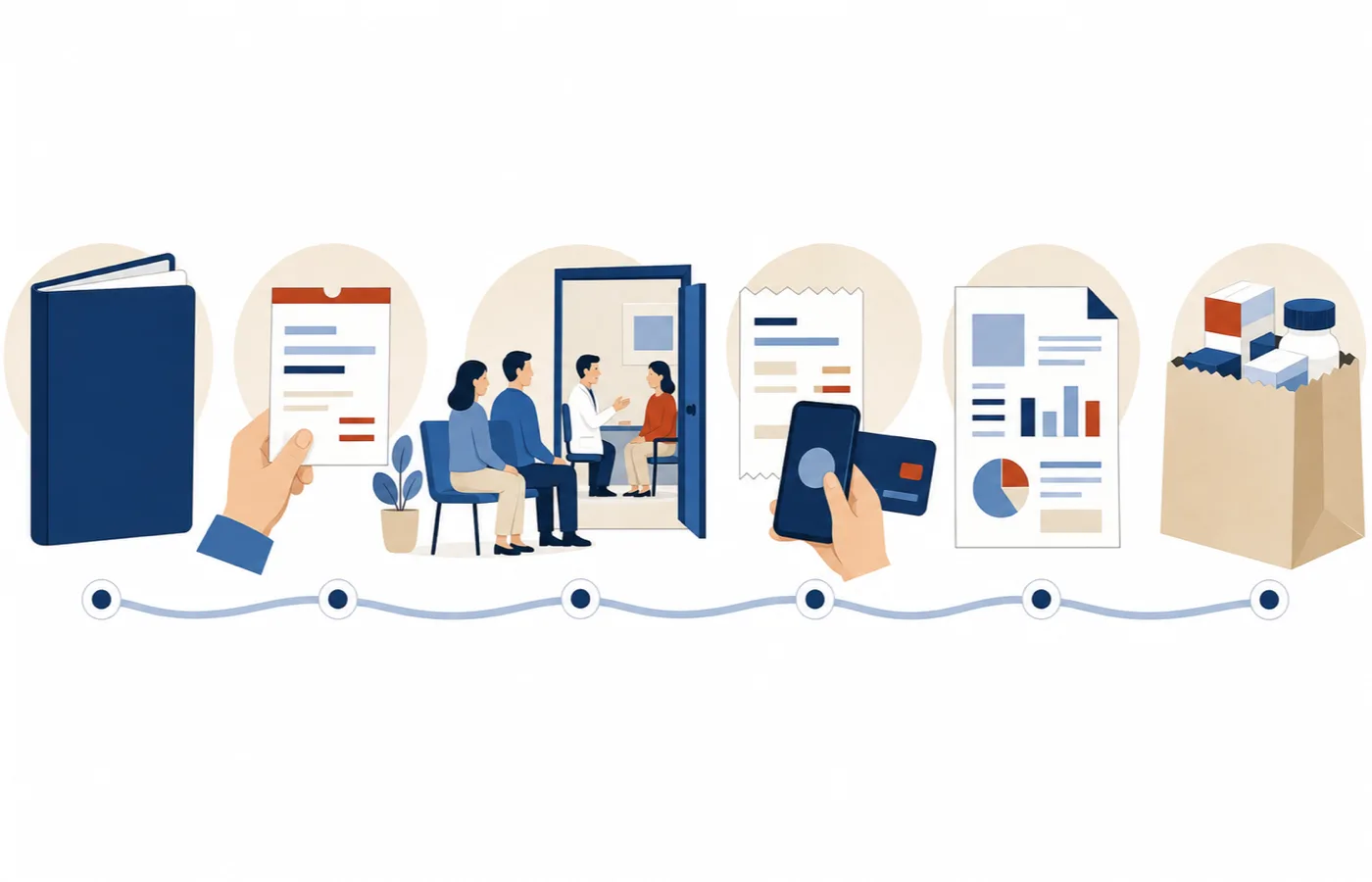
Moving to China during orthodontic care requires two different handoffs. The clinical handoff gives a qualified receiving orthodontic provider enough original information to assess the patient and decide what it can accept. The administrative handoff closes or clarifies the former provider's contract, payments, records, appliance or product documentation and follow-up responsibilities. A new clinic is not automatically bound to continue another provider's plan, schedule, price, appliance or warranty. This guide organizes those handoffs without recommending any orthodontic method, material, device, adjustment, wear schedule, imaging, medicine or clinical timing. Do not start, stop, adjust, replace or continue an appliance based on this page. The former and receiving qualified professionals must give case-specific instructions.
Use this as a practical starting point
Provider procedures can change, so confirm time-sensitive details with the hospital, insurer or service. A licensed professional must make clinical decisions for an individual patient.
At a glance
Key points
- Contact a potential receiving provider before the move and ask what records and appointment it requires to consider a transfer.
- A complete-looking file does not guarantee acceptance of the former plan, appliance, product, schedule or remaining treatment.
- Request provider-created notes, reports, image data, scans or models where they exist, appliance or material identification, consent documents and a payment statement.
- Keep the clinical record transfer separate from deposits, instalments, unused prepayments, laboratory charges, insurance and refund questions.
- Preserve original files, product names and identifiers exactly as issued; do not relabel them or self-translate clinical conclusions.
- Any revised plan, device use or appointment timing must be explained by the receiving orthodontic professional, not inferred from this guide.
Ask a receiving provider about transfer acceptance early
Contact potential providers before the move using their official channels. State that the patient is already in orthodontic care, name the originating country and provider, give the approximate relocation date and ask whether the clinic evaluates transfer patients. Confirm the exact campus, clinician or department, foreign-passport registration route, language support and whether records can be reviewed before an in-person appointment. Do not ask a receptionist to guarantee continuation of a plan from a short description.
Ask the receiving provider to list the documents, image or scan formats and product information it wants. It may need to examine the patient and review original material before deciding whether it can accept the transfer. Referral-continuity policy supports coordinated handoffs but does not compel a provider to accept another clinician's plan, appliance, schedule, price or remaining visits.
- Does this provider evaluate orthodontic transfer patients?
- Which campus, department and clinician handles the first appointment?
- Can records be reviewed in advance, and through which secure channel?
- Which reports, images, scans, models or photographs are requested?
- Which appliance, product or material identifiers are requested?
- When will the provider decide whether it can accept the transfer?
An appointment to assess a transfer is not acceptance of the former plan. The receiving orthodontic professional makes that decision after review.
Request a provider-created orthodontic record pack
Ask the former provider for a concise clinician-authored transfer summary and the records it actually created. The receiving clinic may request the provider-recorded diagnosis and treatment objectives, starting date, current stage, procedure or adjustment history, relevant reports, original image access, photographs, scan or model data, appliance or product identification and the latest clinician-issued instructions. This list describes possible record categories; it does not state that every item exists or is clinically necessary.
Use the former provider's formal record or imaging request route. Specify the date range, patient identity and requested formats. Ask whether a portal link expires, special viewer is required or physical model must be collected. Keep the Chinese or original-language records together with translations and do not edit a provider's clinical conclusion. A self-written chronology can help locate documents, but it should be labelled as the patient's administrative index rather than a clinical summary.
- Clinician-authored transfer or treatment summary, if available
- Visit, procedure and adjustment records actually created
- Reports and original image data or access instructions
- Provider-created photographs, scans or model files where available
- Appliance, product and material names or identifiers supplied by the provider
- Signed consent documents and current clinician instructions
- Future appointment and contact information that remains relevant
Keep product and appliance information traceable
Copy product, appliance and material names exactly from the provider's documents, packaging or identification record. Ask the former provider what formal information it can supply, including the manufacturer or product name, relevant identifier, laboratory information where recorded and the date it was issued. Do not infer compatibility, equivalence or authenticity from a similar English name or online photograph.
Ask the receiving provider whether it can use, service or monitor the existing appliance or digital system and what information it requires before answering. This is a provider-acceptance question, not an instruction to continue use. Follow the former provider's current instructions during the transition unless a qualified receiving professional or emergency service gives new directions. This guide cannot advise transport, storage, wear, adjustment, repair or replacement.
Traceability helps a professional identify what was supplied. It does not establish that a product remains suitable, compatible or usable.
Close the former contract and payment ledger separately
Request a written financial statement showing the original agreement, amount paid, services or products already supplied, remaining instalments, prepaid balance and any provider-stated cancellation, transfer, remake or refund terms. Ask which legal entity received each payment and which entity will issue the final receipt or credit document. Keep contracts, estimates, invoices, receipts and payment proofs together; do not rely on a chat summary.
National oral-price guidance organizes service items and explains that some orthodontic products are individualized, while local authorities and providers implement actual prices. It does not set one national transfer fee, refund formula or remaining-treatment price. The new provider prepares its own estimate after its process and assessment. Compare the scope of two written documents rather than subtracting one headline package price from another.
- Original signed agreement and treatment estimate
- Itemized record of payments already made
- Services and individualized products the provider says were supplied
- Remaining instalments or prepaid balance
- Provider-stated cancellation, transfer, remake and refund terms
- Official receipts, credit documents and legal billing entity
Reconfirm insurance and consent with the new provider
A prior insurer authorization, direct-billing arrangement or successful claim does not automatically transfer to another legal provider or country. Ask the insurer whether orthodontic benefits exist under the policy, whether transfer care is excluded or limited, whether the new provider is eligible, and whether a new plan, estimate or preauthorization is required. Ask the clinic whether it offers direct billing for the exact policy or expects payment and later reimbursement.
If the receiving professional proposes a plan, schedule, appliance, material or price that differs from the former documents, request a complete explanation and a new written estimate before making the next decision. The clinical team must explain the reasons, alternatives, important risks and follow-up. An interpreter can support communication but cannot compare clinical suitability. This website cannot recommend retaining or replacing any part of the former plan.
Old authorization and consent apply to the old documented arrangement. Ask the new provider and insurer what new decisions and documents are required.
Confirm receipt, first appointment and continuing contacts
Send records through the receiving provider's verified channel and ask it to confirm that the files open and match the correct patient. Bring original or provider-supplied copies to the first appointment as requested. Record the Chinese institution name, campus, department, clinician, patient number and interpreter arrangement. A pre-arrival file review may identify missing documents, but it does not replace the provider's assessment or guarantee transfer acceptance.
Before the move, keep contact details for both providers and ask who handles record clarification, contract questions and the provider-published urgent route. After the first local appointment, request the receiving provider's written instructions and next contact. Do not combine conflicting instructions yourself; ask the qualified professionals to clarify which instruction is current for the patient.
- Secure transfer confirmation and list of files received
- First appointment, campus, department and registration route
- Interpreter or communication-support arrangement
- Named contact for former-record clarification
- Named contact for contract and payment questions
- Receiving provider's written follow-up and urgent-contact route
Useful language
Navigation phrases
Show the Chinese characters when pronunciation is uncertain. Use the copy button to send one phrase through a trusted channel without retyping it.
Avoidable problems
Common mistakes
- Assuming any orthodontic clinic must continue another provider's plan.
- Booking after the move without first asking what transfer records are required.
- Sending only screenshots instead of provider-supplied reports and original files.
- Changing product or appliance names during translation.
- Treating a record handoff as permission to continue, stop or adjust an appliance.
- Combining clinical acceptance, contract transfer and insurance coverage into one question.
- Assuming the remaining balance under one package predicts the new provider's price.
- Discarding receipts or contracts after receiving an informal refund promise.
- Letting a translation app or non-clinician compare treatment plans.
Common questions
Frequently asked questions
Must a new orthodontist in China continue my existing plan?
No cited national source guarantees that. A receiving provider may need records and an assessment before deciding whether it can accept the transfer, appliance, product, schedule or former plan. Ask what it will review and when it will give its own written proposal.
Which orthodontic records should I request before moving?
Start with the receiving provider's list. Possible items include a clinician summary, visit and procedure records, reports, original image data, provider-created photographs, scans or models, appliance or material identification, consent documents and current instructions, but only where those records exist.
Can this guide tell me how to use or transport my appliance during the move?
No. Use, wear, adjustment, storage, transport, repair and replacement are clinical or product-specific matters. Obtain written instructions from the treating professional and ask the receiving professional to clarify any change. Do not alter use based on this page.
Will my former orthodontic payment package transfer to the new clinic?
Not automatically. Ask the former provider for a payment ledger and its written cancellation, transfer and refund terms. The new provider issues its own estimate and contract. National price guidance does not create one transfer price or refund formula.
Will insurance continue covering orthodontic care after I move?
Only the insurer can decide under the policy. Confirm benefit eligibility, new-provider status, geographic limits, exclusions, remaining limits, preauthorization and claim documents in writing. A prior authorization or insurer logo is not approval for the new provider's plan.
Can this website compare my former and new orthodontic plans?
No. Comparing clinical findings, devices, materials, schedules, imaging and expected outcomes requires qualified professionals with the complete record and an appropriate assessment. Use this guide only to organize documents, questions, consent, payment and transfer logistics.
Evidence
Sources consulted for this guide
National rules are separated from city and provider examples. Access dates show when a source was collected; source pages and procedures can change afterward.