
Using hospitals
Negotiating and settling a medical dispute in China
Prepare for voluntary hospital negotiation, keep the meeting orderly and document any consensus in writing without treating discussion as a finding of fault.
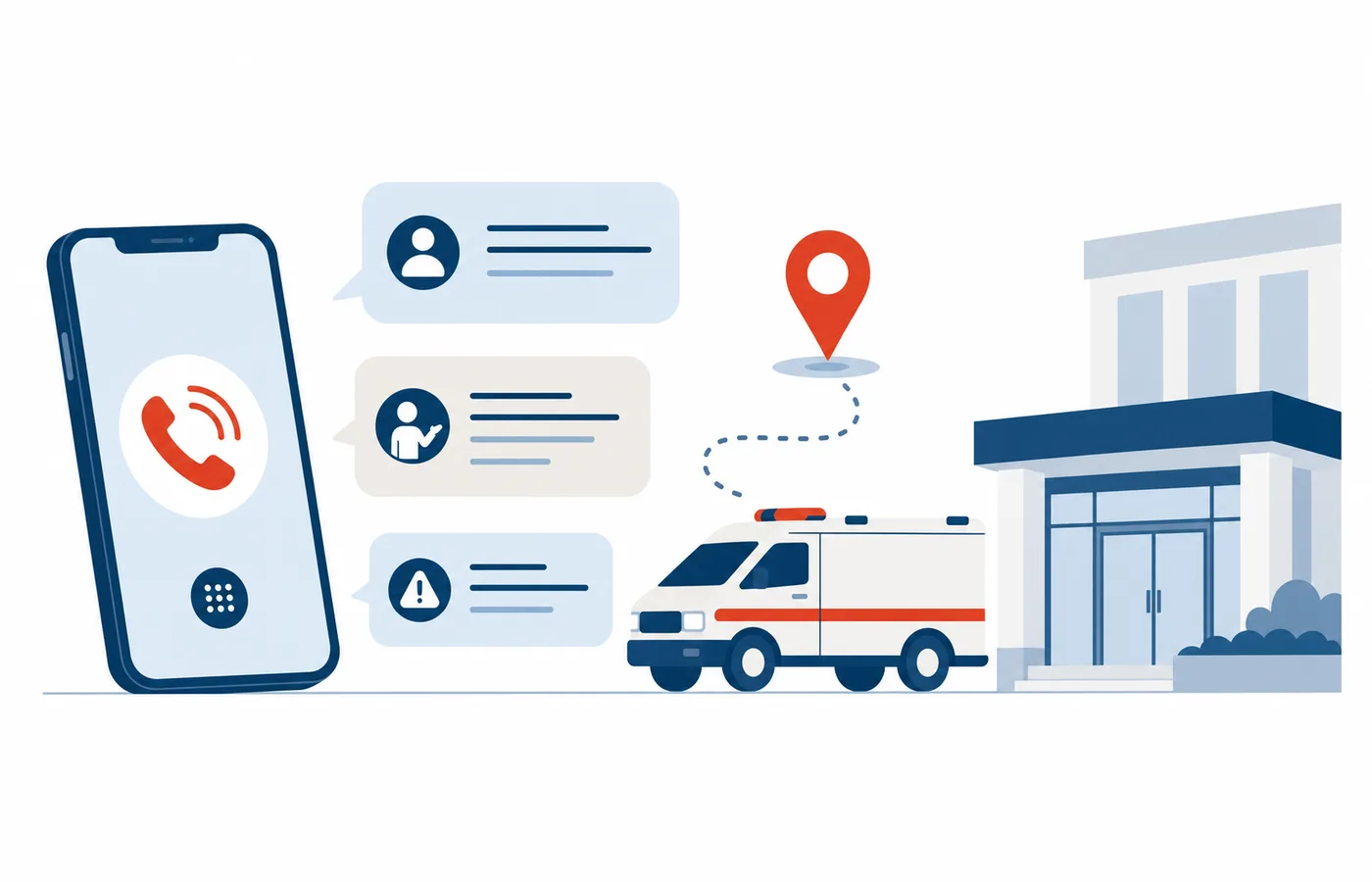
This source-linked guide maps the voluntary negotiation route. It separates the immediate care issue, evidence, records, responsible body, submission, specialized review, agreement and local implementation. It does not determine negligence, breach, causation, disability, responsibility, compensation, limitation, venue, parties or strategy for an individual case.
Use this as a practical starting point
Provider procedures can change, so confirm time-sensitive details with the hospital, insurer or service. A licensed professional must make clinical decisions for an individual patient.
At a glance
Key points
- Use the hospital's designated dispute office rather than approaching individual clinicians for a private settlement discussion.
- Hold negotiation in the dedicated place arranged for it and do not interfere with clinical care, access or normal hospital order.
- When a side has many participants, nominate representatives in advance and keep that side's representatives within the national maximum of five.
- Ask every attendee to state a role and confirm who may make proposals, receive documents and sign for each party.
- Use one neutral issue list so that explanations, record requests, payment questions and proposed resolution are not confused.
- Record partial agreement and continuing disagreement separately; silence or attendance is not consent.
- The regulation encourages people's mediation where disagreement is substantial or the amount claimed is high, but this page cannot decide when a particular case should change routes.
- Pause and obtain qualified advice if a proposal includes unfamiliar legal language, an immediate signature request or consequences outside the matters discussed.
- Do not use a foreign-language summary as the operative agreement unless the authorized parties and advisers confirm its status.
- Keep insurer communications separate from the parties' own authority to negotiate and sign.
- A written settlement should be treated as a legal document, not as a routine hospital service form.
- Failure to reach agreement does not establish that either side's factual or legal position is correct.
Define the voluntary negotiation route and protect current care
Ask the medical institution to identify its designated medical-dispute contact and arrange any negotiation in the dedicated place used for that purpose, while sending active care or safety issues to the clinical team separately.
Negotiation is a voluntary process conducted on lawful and equal terms; neither side is required to accept another party's account, proposed amount or proposed wording, and participation does not itself establish medical fault, causation, liability or compensation.
A resolution process should begin only after current care and urgent safety issues have their own clinical channel. Define whether the present step is direct discussion, specialist mediation or health-authority mediation before preparing attendees or demands.
For the voluntary negotiation route, open a scope note under the exact patient and encounter. In that voluntary negotiation route note, name the immediate request and reserve disputed conclusions for the body that can decide them.
An administrative or dispute workflow cannot replace real-time communication with the responsible clinical team about current care or safety.
Build a factual chronology without rewriting the evidence
Prepare a shared chronology and numbered document list for the meeting, identify which statements are agreed facts and which remain disputed, and preserve the institution-issued records and native files rather than turning a negotiation summary into substitute evidence.
Distinguish direct observation, a contemporaneous document, another person's account and later inference. Keep uncertainty visible instead of turning it into a medical or legal conclusion.
Build the shared chronology around events and documents that both sides can identify. Separate agreed facts, disputed facts and unanswered questions so the meeting or mediator does not receive advocacy language disguised as a record.
For Negotiating and settling a medical dispute in China, give every chronology entry a date, source and status. Mark each voluntary negotiation route inference as an inference, and keep later explanations linked to the record that prompted them.
Preserve native electronic files and original paper records unchanged; add notes or translations only to traceable working copies.
Separate ordinary record copies from formal sealing
Obtain formal medical-record copies and, where the parties are considering dispute-specific preservation, ask the hospital about the separate sealing procedure before the negotiation; do not make surrendering originals or opening a sealed package a condition improvised at the table.
Obtain institution-issued records through the records route and keep any sealing inventory intact. Negotiators and mediators may review copies, but their working bundle does not become the official hospital record or sealed package.
In the voluntary negotiation route file, identify who issued every copy, inventory or seal record. For Negotiating and settling a medical dispute in China, keep the institution's version, the working copy and any translation separately traceable.
A provider-confirmed copy, a sealed record package and sealed on-site physical material are different records with different custody rules.
Identify the body that can actually make the next decision
Confirm who is authorized to speak and sign for the medical institution and for the patient. Where either side has many participants, the national regulation calls for representatives and limits each side to no more than five representatives.
Confirm the authority of the hospital representative, patient representative, committee or health authority for the selected route. Participation in one process does not automatically confer authority to settle, commission appraisal or bind an insurer.
Before sending a voluntary negotiation route file, record why the proposed recipient controls that step. For Negotiating and settling a medical dispute in China, save the official directory or notice used to verify the office and its territorial scope.
Verify the receiving body's identity, territorial scope and current intake channel before sending medical or identity information.
Submit a complete but proportionate case file
Send a short written request identifying the encounter, issues proposed for discussion, attendees and language needs, then ask the hospital to confirm the dedicated location, date, responsible office and whether it needs specified authorization documents before the meeting.
The application or meeting request should identify the parties, disputed matter, requested process, language needs and indexed attachments. Preserve acceptance, refusal, transfer and scheduling notices because each starts or ends a different procedural stage.
Package the voluntary negotiation route submission around one requested process, one attachment index and one delivery record. For Negotiating and settling a medical dispute in China, track a request for more material as a new dated event rather than silently replacing the first file.
Keep the official form, attachment inventory, delivery evidence and intake response as separate dated records.
Keep expert consultation and formal appraisal distinct
Negotiators may identify a technical disagreement, but the meeting cannot convert an informal clinical opinion into a formal appraisal. If expert consultation or medical-damage appraisal is raised, record the proposed process and obtain separate information from the body legally responsible for it.
Expert consultation can help a resolution body understand technical questions, while formal medical-damage appraisal requires its own commission and procedural record. Do not relabel an informal opinion merely because it influenced negotiations.
If specialized review enters the voluntary negotiation route, write down who commissioned it and the exact question. Under Negotiating and settling a medical dispute in China, keep consultation, testing and formal appraisal outputs under their official names.
Record the commissioner, legal basis, questions, accepted materials and exact opinion type; the label alone does not decide its effect.
Keep agreement, payment and insurance records separate
If the parties reach consensus through negotiation, the national regulation requires a written settlement agreement. Obtain an accurate explanation and qualified legal review before signature; this guide supplies no amount, release wording, confidentiality clause or settlement template.
A proposed term remains a proposal until the authorized parties complete the required written agreement. Keep any judicial-confirmation step, insurer review, payment instruction and actual performance separate from the discussion that produced the text.
For any voluntary negotiation route proposal, separate the draft, operative Chinese text, signatures, confirmation record and performance evidence. In Negotiating and settling a medical dispute in China, do not infer payment or release from a meeting note or unsigned translation.
A proposal, signed agreement, judicial confirmation, insurer position and completed payment are separate procedural records.
Verify the patient, representative and language chain
A foreign patient should confirm the Chinese name and passport identity used in the hospital record, arrange a neutral interpreter if needed and give any representative written authority that clearly separates attending, speaking, receiving documents and signing.
A foreign patient should verify interpreter neutrality and give representatives task-specific authority. Attendance, receiving notices, agreeing to appraisal, accepting terms and signing an operative agreement may require different evidence.
For a foreign party using the voluntary negotiation route, match passport spelling, hospital identifiers and authority documents before submission. In Negotiating and settling a medical dispute in China, define who may receive records, attend, agree, sign or instruct counsel.
Keep the operative Chinese document beside any translation and verify authority separately for submission, receipt, negotiation and signature.
Apply the national baseline and the current local route
The national principles apply across China, but a locality or public medical institution may direct higher-value or substantially disputed matters away from direct negotiation. Verify the current local rule and never import Beijing, Shanghai or Shenzhen thresholds into another city.
Committee names, health-authority divisions, intake forms and local amount provisions may vary. Use the national baseline with the current local instructions and do not convert another city's practice into a nationwide acceptance rule.
For the voluntary negotiation route, record the national source and the current local instruction side by side. In Negotiating and settling a medical dispute in China, label a historical explanation as historical and recheck present contacts, forms and implementation.
A local threshold, office, form or timetable should not be exported to another city or assumed current without verification.
Review the outcome and preserve the next-step boundary
After every meeting, preserve the attendance record and a neutral note of agreed facts, unresolved issues, documents promised and the next contact point. A meeting note is not a settlement unless the authorized parties complete the required written agreement.
When the process ends, record whether it ended by agreement, withdrawal, non-acceptance, expiry of the applicable mediation period or another stated reason. None of those labels alone proves either party's medical or legal position.
Close each voluntary negotiation route stage with an issuer, date, receipt and unresolved-items list. Before moving beyond Negotiating and settling a medical dispute in China, ask the responsible body or qualified adviser what the outcome changes and what it does not change.
Preserve the issuer's document and obtain qualified advice before treating one process's date or outcome as controlling another route.
Avoidable problems
Common mistakes
- Using an administrative workflow as a substitute for current medical care.
- Treating a process document as proof of fault, causation, liability or compensation.
- Trying to negotiate in a ward, clinic or public area in a way that disrupts normal medical order.
- Bringing a large group without nominating representatives or checking the five-representative limit.
- Assuming attendance, discussion or a hospital explanation is an admission of fault.
- Allowing an interpreter, relative or insurer to negotiate or sign without verified authority.
- Turning an unverified allegation into the opening heading of every document.
- Treating a negotiation note, recording or chat message as the required written settlement agreement.
- Signing immediately because a translated oral summary appears acceptable.
- Using an online compensation estimate, another patient's agreement or a local threshold as a proposed result.
- Combining a request for ongoing treatment with pressure to settle a completed dispute.
- Assuming an unsuccessful meeting preserves, suspends or changes any separate legal deadline.
Common questions
Frequently asked questions
Can this guide choose the route or calculate a deadline?
No. The responsible body and a qualified local lawyer must assess the actual facts, parties, pending processes and governing periods. An intake or feedback period stated here is not a limitation calculation.
Should I hand over an original record or replace it with a translation?
Do not surrender or alter an original unless the authorized process requires and documents it. Keep the source-language record, any institution-confirmed copy and a traceable translation as distinct items.
Must both sides agree to negotiate?
Yes. The national route is voluntary and based on lawful, equal participation. A request, invitation or first meeting does not compel either side to accept facts, an amount or agreement wording.
Where should the negotiation take place?
The national regulation says negotiation should occur in a dedicated place and must not affect normal medical order. Ask the hospital's designated dispute office to identify the current location and meeting arrangements.
How many people can attend for each side?
Where either side has many participants, representatives should be selected and each side may have no more than five representatives. Confirm how the institution will record representatives, advisers, interpreters and other attendees.
Does agreeing to meet mean the hospital accepts responsibility?
No. Negotiation is a route for discussing a dispute. Participation, an explanation, an offer or a draft does not by itself establish fault, causation, liability or the legal value of evidence.
When does the regulation encourage people's mediation?
It encourages people's mediation where the disagreement is substantial or the amount claimed is high. The regulation does not let this website decide whether that description applies to an individual matter or which route should be used.
Can this guide suggest a settlement amount?
No. Amounts depend on facts, evidence, applicable law and authorized decision-makers. Do not rely on online calculators, another case or a hospital's internal discussion as a legal valuation.
Is an oral handshake or meeting note enough?
The national regulation requires the parties to sign a written settlement agreement when negotiation reaches consensus. Obtain an accurate explanation and qualified review of the actual document before signing.
Can a translator sign for the patient?
Translation and legal representation are different roles. A translator may communicate only within the arrangement accepted by the parties; signing requires separately verified authority and understanding of the operative Chinese document.
What if the meeting ends without agreement?
Record that no agreement was completed, preserve the documents and ask each responsible body for current information about any route it administers. Do not infer the merits or calculate a legal deadline from the meeting date.
Evidence
Sources consulted for this guide
National rules are separated from city and provider examples. Access dates show when a source was collected; source pages and procedures can change afterward.